Phone
Phone  Email
Email


- Trophies and sustainability
Recognition programs: what they are, types, and how to build one
Recognition programs are structured systems that organizations use to acknowledge the contributions, behaviors, and milestones of the people connected to their work.
This guide explains what recognition programs are, the main types, how to build and measure one, and how physical awards fit into a long-term recognition strategy. Each section can be read on its own or as part of the full guide.

Table of contents
- What is a recognition program?
- Why recognition programs matter
- Types of recognition
- Employee recognition: the core
- Recognizing milestones and service
- Tangible recognition
- Recognition as a brand and communication asset
- Recognition beyond employees: sales, channel, clients, and partners
- Recognition events and ceremonies
- How to build a recognition program, step by step
- How to measure a recognition program
- Common mistakes to avoid
- Bringing a recognition program together
- Frequently asked questions
What is a recognition program?
A recognition program is a structured, ongoing system for acknowledging contributions, behaviors, and milestones according to defined criteria, cadence, and communication.
It differs from a one-time gesture because the same rules apply consistently over time and across teams. The structure is what turns scattered thank-yous into a repeatable practice tied to company values.
Three related terms are often used interchangeably, so a clear definition helps: recognition names a contribution, a reward attaches a benefit to a result, and appreciation acknowledges a person independently of output.
- Recognition names a specific contribution and links it to a stated value or behavior.
- Rewards attach a tangible or monetary benefit to a measurable result.
- Appreciation acknowledges the person, not only the output.
A program combines all three within one framework. The criteria define what gets recognized, the cadence defines how often, and the communication defines who sees it.
Why recognition programs matter
Recognition programs matter because how often people feel acknowledged is tied to whether they stay and how engaged they are.
The starting point is a gap. In Gallup–Workhuman research, only 22% of employees say they get the right amount of recognition, and that number has not moved since 2022. Most people feel under-recognized at work.
That gap has a cost. When recognition is missing, people are more likely to leave, and Gallup puts the cost of replacing an employee at up to twice their annual salary.
Recognition also motivates on its own. A McKinsey survey found that praise from a manager can motivate as much as a cash bonus, sometimes more. Programs that reward sustained effort under pressure, not only final results, reinforce the behaviors these findings point to.
Types of recognition
Recognition falls into several established categories: monetary rewards, non-monetary rewards, social or public recognition, peer-to-peer recognition, top-down or leadership recognition, team recognition, and tangible or symbolic recognition through physical awards.
- Monetary recognition attaches a cash value, such as a bonus tied to a result.
- Non-monetary recognition uses time, development, or experiences instead of cash, and often carries a longer effect on motivation.
- Social or public recognition makes the acknowledgment visible to a team or the wider organization.
- Peer-to-peer recognition lets colleagues acknowledge each other, not only managers.
- Top-down recognition comes from leadership, and structured recognition as a leadership tool sets the tone for the rest of the culture.
- Team recognition acknowledges a group result rather than a single contributor.
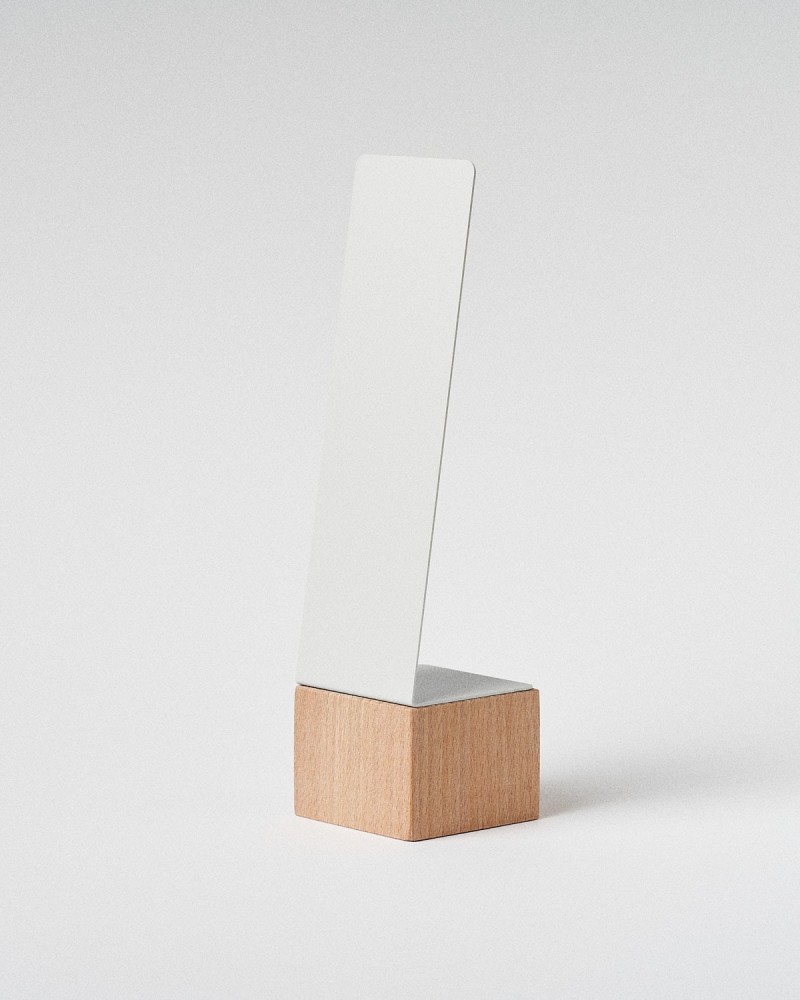
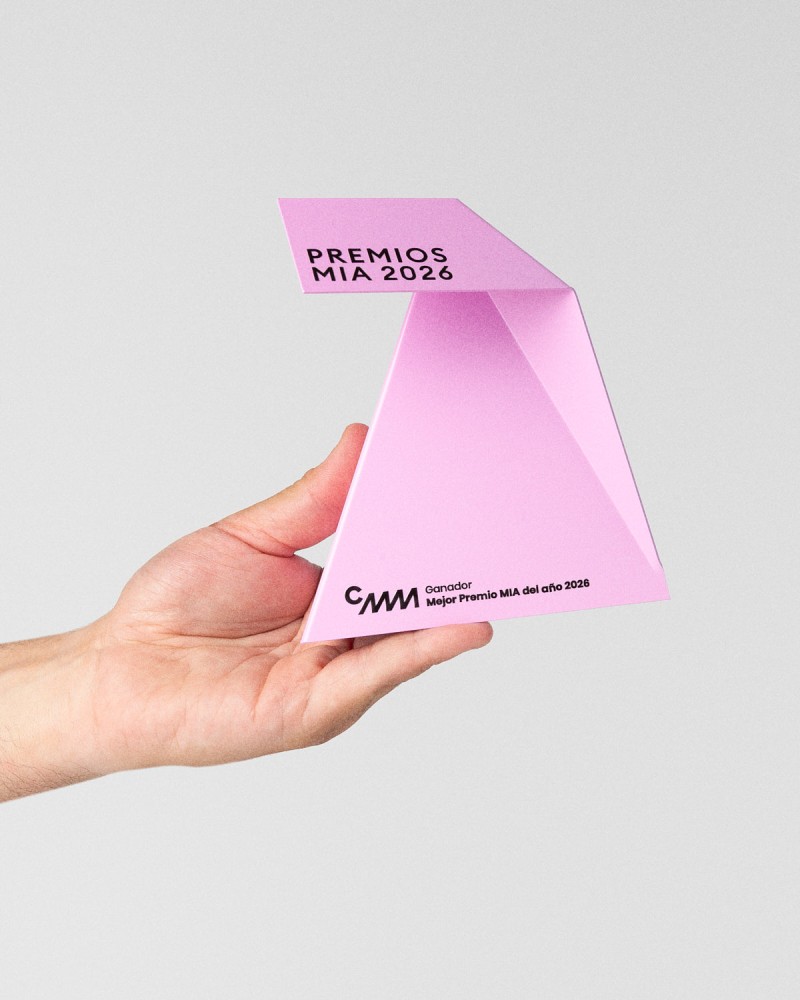
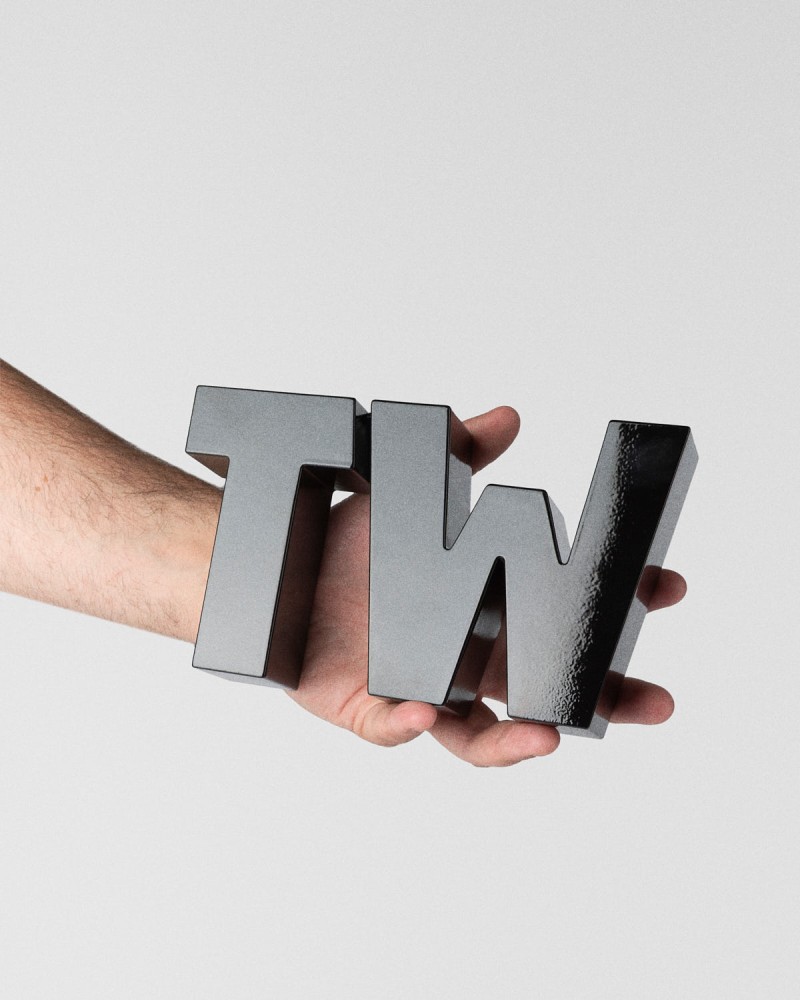
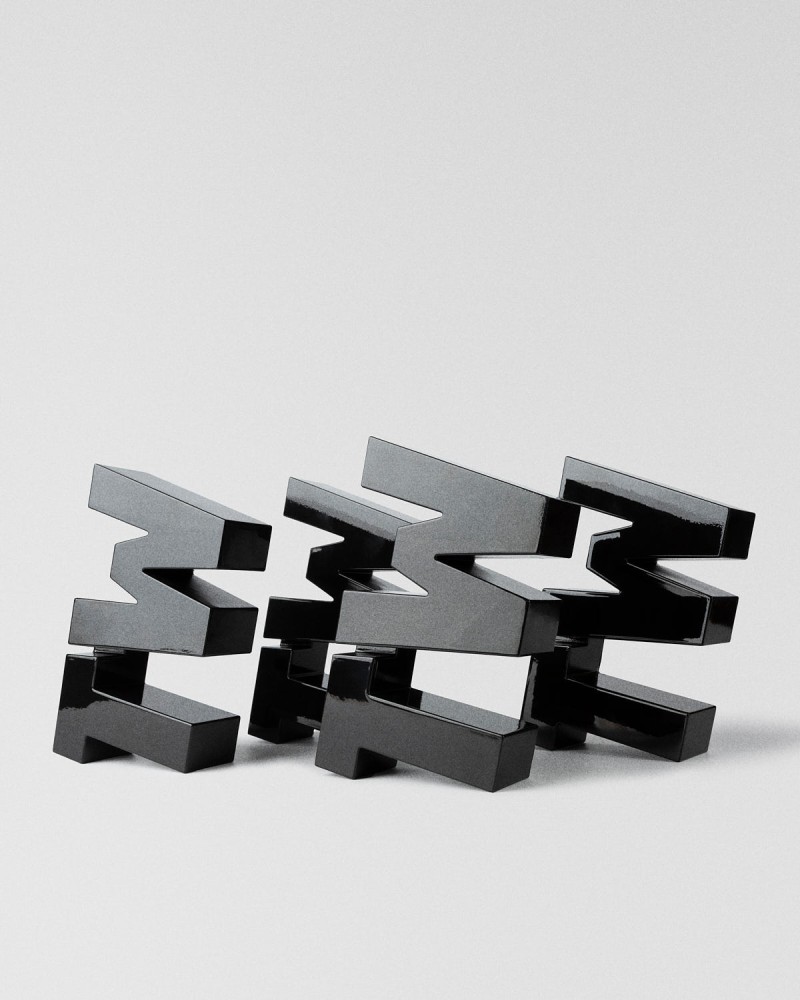
- Tangible recognition uses a physical award, such as a trophy or plaque, as a durable record of the contribution.
The other categories dominate most published guidance. Tangible recognition is the category most often left out, and it is the focus of a later section.

Employee recognition: the core
Employee recognition is the foundation of most programs, and it works best when defined formats replace improvised praise. Concrete formats are easier to run consistently and easier to measure.
- A structured employee recognition awards framework sets clear categories, criteria, and a fixed cadence for the year.
- Everyday and creative formats keep recognition frequent, and ten ideas to motivate and reward a team show how to vary the approach without added cost.
- An "employee of the month" format works only with transparent criteria, and how to run employee of the month with real criteria explains how to avoid perceived favoritism.
- Informal awards fit team events, and fun, informal awards for team events add recognition to moments that would otherwise pass unmarked.
- Meaningful gifts reinforce retention, and gifts that motivate and retain connect the object to a specific contribution.
Each format serves a different frequency. Daily and weekly formats keep momentum, while a formal framework anchors the higher-value moments. Gallup–Workhuman research found that among employees who get feedback and recognition from their manager at least weekly, 61% are engaged.
Recognizing milestones and service
Milestones matter because they mark the highest-emotion, highest-retention moments in a person's time with an organization. Frequency and timing both affect how well recognition works, and milestones give a program a fixed calendar of occasions.
The main milestone categories are consistent across organizations:
- Service anniversaries and tenure, marking years of continuous work.
- Promotions and role changes.
- Retirement, closing a full career.
Service anniversaries are a natural fit for a durable award. Programs that build service anniversary recognition around real milestones treat each year as a defined occasion rather than an automated email.
Retirement carries the same weight. Retirement gifts that mark a full career close the relationship with a lasting record. A physical award at these moments stays visible long after the date itself.


Make your recognition program last beyond the event.
Tell us who you want to recognize.
Request your personalized trophiesTangible recognition
Tangible recognition uses a physical award to keep a contribution visible after the moment of delivery. Digital points and public mentions fade from a feed within days.
A designed trophy or plaque remains on a desk or wall. There it reinforces the behavior over months and years.
Several formats sit within this category. Workplace recognition plaques suit fixed, wall-mounted acknowledgment. Honorable-mention plaques extend recognition beyond a single winner.
Trophies used as a company incentive tie a physical award to a defined target. The engraved message carries the meaning, and the words that make an award meaningful determine whether the object records a specific contribution or a generic one.
Format is not fixed to a single shape. A modern alternative to the classic trophy shows that a physical award can take a contemporary form.

Recognition as a brand and communication asset
A physical award is also a communication asset, not only an internal perk. When a trophy carries a company's design language, it turns a value into an object that people photograph, display, and mention.
That visibility is a form of earned media, meaning coverage a brand receives without paying for placement.
The reverse also holds. A dated or off-brand award can damage perception, and an outdated trophy that harms a brand image undercuts the message the recognition is meant to send.
Design is the deciding factor. Trophy marketing and organic reach treats the award as a channel, and the trophy as a brand asset frames the object as part of the brand system rather than a one-off.
Award design also shapes external relationships. Award design that increases sponsor visibility gives partners a defined place on the object itself. A documented example is available in award design as a marketing decision, in the OpenAI milestone awards case.
Recognition beyond employees: sales, channel, clients, and partners
Recognition extends beyond employees to three revenue-connected audiences: sales teams, channel and distribution partners, and clients. Most published guidance stops at internal recognition, which leaves these groups without a defined approach.
Sales recognition rewards results and sustained performance. A sales trophy that reinforces commercial motivation attaches a physical marker to a target.
Guidance on the strongest sales incentives sets out which rewards hold up over a full cycle, and a method to reward a sales team in three steps keeps the process simple. A President's Club award as an institutional format marks top performers each year.
Channel recognition covers distributors and trade partners. Recognition within the distribution channel acknowledges partners who drive volume, and trophies used as a trade-marketing tool connect recognition to channel management.
Client and partner recognition strengthens commercial relationships. Client recognition gifts mark a shared result and move past generic options.
Strategic gifts for business partners and the practice of corporate gifting, from staff to executives apply the same logic to longer partnerships.

Recognition events and ceremonies
The moment of delivery is part of the recognition, and an event makes that moment visible.
A ceremony gives the award a public setting, which is a consensus best practice for reinforcing behavior. The physical award handed over at the event is what the recipient keeps afterward.
Formats vary by audience and location. Incentive travel and corporate events, often grouped under the term MICE, combine recognition with an experience. For distributed teams, a virtual awards ceremony keeps the public element without requiring a single location.
How to build a recognition program, step by step
Building a recognition program follows a defined sequence: set objectives, involve people, define criteria, choose the format mix, launch with visibility, personalize and keep cadence, then measure and adjust.
- Set objectives tied to business goals and named indicators.
- Ask employees what they value before choosing formats.
- Define fair, transparent criteria so decisions are defensible.
- Choose a mix of monetary, social, peer, and tangible formats.
- Communicate and launch with visibility, not a quiet rollout.
- Personalize each acknowledgment and hold a regular cadence.
- Measure results and adjust the program on a fixed review cycle.
The sequence matters. Criteria set before formats keep the program consistent, and measurement built in from the start makes later adjustment possible.
How to measure a recognition program
A recognition program is measured through participation and outcome indicators, not through activity alone. The right metrics show whether recognition reaches people and whether it changes the outcomes it targets.
- Participation and adoption rate across teams and levels.
- Employee net promoter score, a single measure of willingness to recommend the workplace.
- Engagement survey scores over time.
- Retention and voluntary turnover rate.
- Performance indicators linked to recognized behaviors.
- Equity of distribution, checking that recognition reaches groups evenly.
The equity indicator is the one most often missed. Uneven recognition across teams or demographics signals a design fault, not a data quirk.
Common mistakes to avoid
Most recognition programs fail for the same defined reasons: they treat everyone the same, lean too hard on money, run inconsistently, and skip measurement.
- One-size-fits-all recognition that ignores individual preference.
- Over-reliance on cash, against the McKinsey finding on non-cash motivators.
- Inconsistent or inequitable recognition across teams.
- No leadership buy-in, which weakens frequency and quality.
- Ignoring peer-to-peer recognition as a source.
- A bureaucratic process that discourages use.
- Vague criteria that create the perception of favoritism.
- No measurement, so the program cannot improve.
- Dated or off-brand awards that undercut the message.
Each mistake maps to a step in the build sequence. A program that sets criteria, holds cadence, and measures results avoids most of them.
Make your recognition program last beyond the event.
Tell us who you want to recognize.
Request your personalized trophiesBringing a recognition program together
Recognition programs work when they combine clear criteria, a consistent cadence, and a mix of formats that match how people want to be acknowledged.
Physical awards extend that acknowledgment beyond the moment of delivery and keep the recognition visible over time.
Read together with the linked articles, this guide covers the full scope of recognition programs, from everyday practice to milestone, sales, channel, and client recognition.