Phone
Phone  Email
Email


- Trophies and sustainability
Channel partner incentives that work: why recognition and partner awards drive growth
Indirect channel models depend on partners who also sell competing brands. This dependency makes channel partner incentives a central question for revenue growth.
This article examines recognition, and specifically the physical partner award, as an incentive that sits beside rebates and discounts. It explains where the partner award fits within partner incentive programs.
Contents
- The incentives that actually build a channel
- The role of recognition in a channel program
- Why the award itself matters, not just the title
- Making the award meaningful: design and sustainability
- Recognition as a channel incentive
- FAQ
The incentives that actually build a channel
Channel incentive programs combine four common instruments: rebates, market development funds (MDF), sales performance incentive funds (SPIFs) and discounts.
- Rebates: partial refunds paid on sales volume.
- Market development funds (MDF): budget assigned for partner marketing activity.
- Sales performance incentive funds (SPIFs): direct payments tied to specific sales targets.
- Discounts: reduced purchase prices on wholesale orders.
The partner award works on a different basis. Partner awards take the form of physical personalized trophies given for performance, not payments consumed at redemption. They connect to four axes of channel strategy: go-to-market, reach, relationships and competitiveness.
- Go-to-market: a visible "Partner of the Year" motivates the partner to prioritize the vendor's brand, speeding market reach through its network.
- Reach: recognition across the whole network drives performance across every tier, extending presence into territories served indirectly.
- Relationships: unlike a transactional rebate, a tangible award anchors the relationship over the long term.
- Competitiveness: when the network buys the vendor's brands wholesale, recognition differentiates on value, which helps win mindshare against other brands the partner sells.
Two ideas frame this shift. Loyalty maintains a relationship, while an incentive motivates a specific action. Mindshare, the share of a partner's selling attention, decides which brand a reseller pushes first. When a network resells several brands at wholesale, a vendor competes for attention against the other lines that partner carries.

The role of recognition in a channel program
Public recognition changes partner behavior because it converts results into visible status within the network. It produces three effects across the channel:
- Morale: public acknowledgment raises motivation inside the partner's sales team.
- Performance competition: a visible ranking pushes partners to improve their results.
- Reputation: the top performer gains standing among peers and customers.
The "Partner of the Year" award has become the standard format for this recognition. Technology vendors such as OpenText, Infinidat and Accruent run annual Partner of the Year programs. These channel rewards programs formalize recognition on a yearly cycle.


Make "Partner of the Year" a trophy worth competing for
Personalize your partner award
See our trophiesWhy the award itself matters, not just the title
A physical award works as an incentive because it does not expire when the reward is claimed. The object outperforms abstract recognition on three points:
- Permanence: a discount is consumed and forgotten; a trophy remains and signals recognition each day it exists.
- Status: the physical object gives a status symbol that a digital tier or a web listing does not.
- Rivalry: a tangible, sought-after trophy pushes partners to compete to hold it the following year.
Many technology vendors design a physical "Partner of the Year" award for the occasion, rather than a certificate or a digital badge. The partner of the year award trophy therefore acts as an incentive, not only as a title.
Making the award meaningful: design and sustainability
A partner award becomes memorable when its design matches the occasion and its materials carry meaning. Three factors shape that outcome: design aligned with the event, material selection and symbolism.
- Design: form and finish chosen for the ceremony and the award category.
- Materials: the substance of the trophy.
- Symbolism: shapes or engraving that reference the partner's achievement.
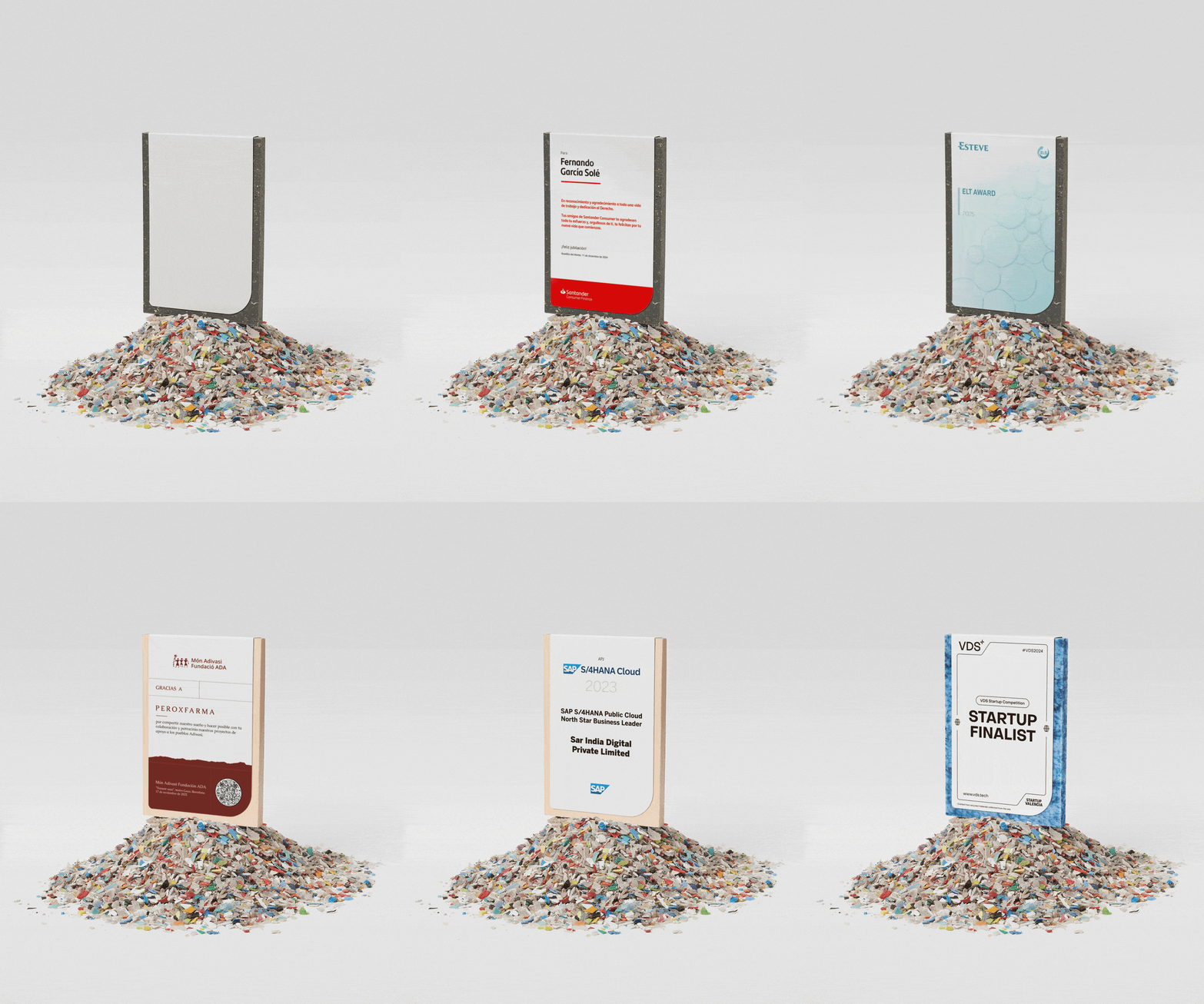
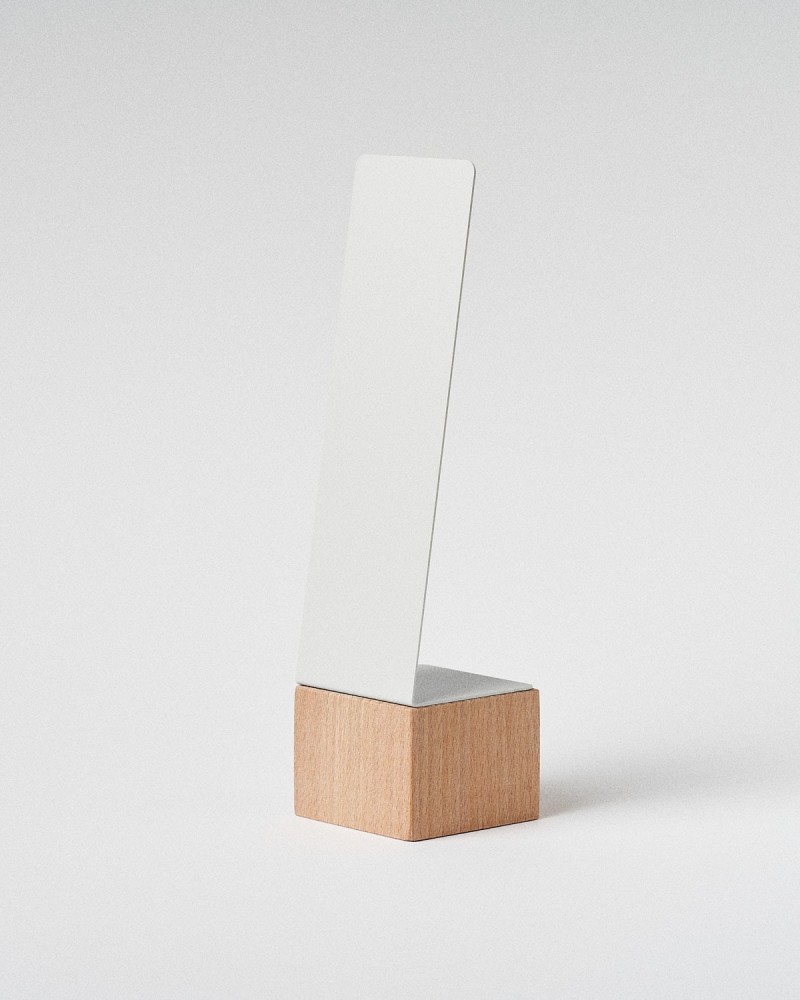
Sustainability adds a further layer to material selection. Recycled and renewable materials give the trophy an environmental value shared between the vendor and the awarded partner. Sustainable trophies come in a range of materials: common options include post-consumer recycled plastic trophies, acrylic trophies and FSC-certified wood trophies, sourced from responsibly managed forests.

Recognition as a channel incentive
Recognition operates as an incentive with a logic distinct from rebates and discounts. Within channel partner incentives, the partner of the year award adds status, permanence and competition to the relationship. Its design and materials determine how long that recognition lasts.