Phone
Phone  Email
Email


- Trophies and sustainability
Recognition as a Leadership Tool
Recognition as a leadership tool helps you value and highlight a team's work as part of the managerial role.
This article explains why it influences a team, how it differs from a reward, and what forms it takes. It also looks at how it shifts without hierarchy and the role of the physical object as a lasting record of recognition.

Contents
- Why Is Recognition a Leadership Tool?
- Recognition as an Act of Leadership, Not a Reward
- What Recognition Sets in Motion Within a Team
- Forms of Recognition a Leader Can Draw On
- The Physical Object as a Lasting Record of Recognition
- Recognition in Organizations Without Hierarchy
- Peer Recognition as a Mechanism for Alignment
Why Is Recognition a Leadership Tool?
Recognition is a leadership tool because it defines which behaviors a team values and guides how it acts without the need to give orders.
A leader does more than perform the gesture of recognizing. By choosing what to highlight, they communicate priorities and set a standard. The message "your work matters" reinforces the behavior being recognized and turns it into a reference point for the rest of the team. That's why recognition works as a form of leadership, not as an add-on to management.
Recognition as an Act of Leadership, Not a Reward
Recognition is an act of leadership when it centers on the person and their behavior, not on getting a result in return.
A reward is transactional: it's given in exchange for a goal that's been met. Recognition as an act of leadership centers on the value of the work done and on the person who did it.
Recognizing is also a way of paying attention. The leader notices what would otherwise go unseen and makes it visible. That attention is a limited resource, and directing it is a decision.
Recognizing others is no sign of weakness in the person leading. It signals confidence: acknowledging someone else's merit doesn't cost you authority — it grounds that authority in clear standards.
What Recognition Sets in Motion Within a Team
Recognizing gives the leader real advantages: credibility, influence, a better relationship with the team, the team's loyalty, and the early spotting of good work.
- Credibility and authority: a leader who acknowledges others' merit gains authority without leaning on their title — decisive where there's no formal hierarchy.
- Influence: by signaling which behaviors they value, the leader guides the team without giving orders.
- Relationship and communication: frequent recognition improves the quality of the bond and opens up communication with the team.
- Loyalty to the leader: someone who feels recognized develops loyalty toward the person leading, not just toward the company.
- Early detection: recognizing forces you to observe, and that attention reveals good work — and work that's fading — sooner.
According to Great Place To Work, a sincere thank-you from the person leading makes a team 69% more likely to put in extra effort.
The framework of benefits for the organization as a whole belongs to the program approach that employee recognition awards develop.


Want to recognize your team?
Start with the object that makes it last
Request your personalized trophyForms of Recognition a Leader Can Draw On
A leader combines four axes when recognizing: public or private, everyday or milestone, individual or team, and top-down or peer-to-peer.
- Public or private: public recognition creates visibility; private recognition respects the preference of the person receiving it.
- Everyday or milestone: the daily gesture sustains the bond; the celebration marks a specific achievement.
- Individual or team: recognizing teamwork highlights the collective result without diluting each person's contribution.
- Top-down or peer-to-peer: recognition can come from the person leading or from colleagues themselves.
The four axes aren't mutually exclusive; a leader combines them based on the person and the moment. Recognition gains force when it's timely, genuine, and specific.
The Physical Object as a Lasting Record of Recognition
A physical object turns recognition into a record that stays in view long after the moment it's handed over.
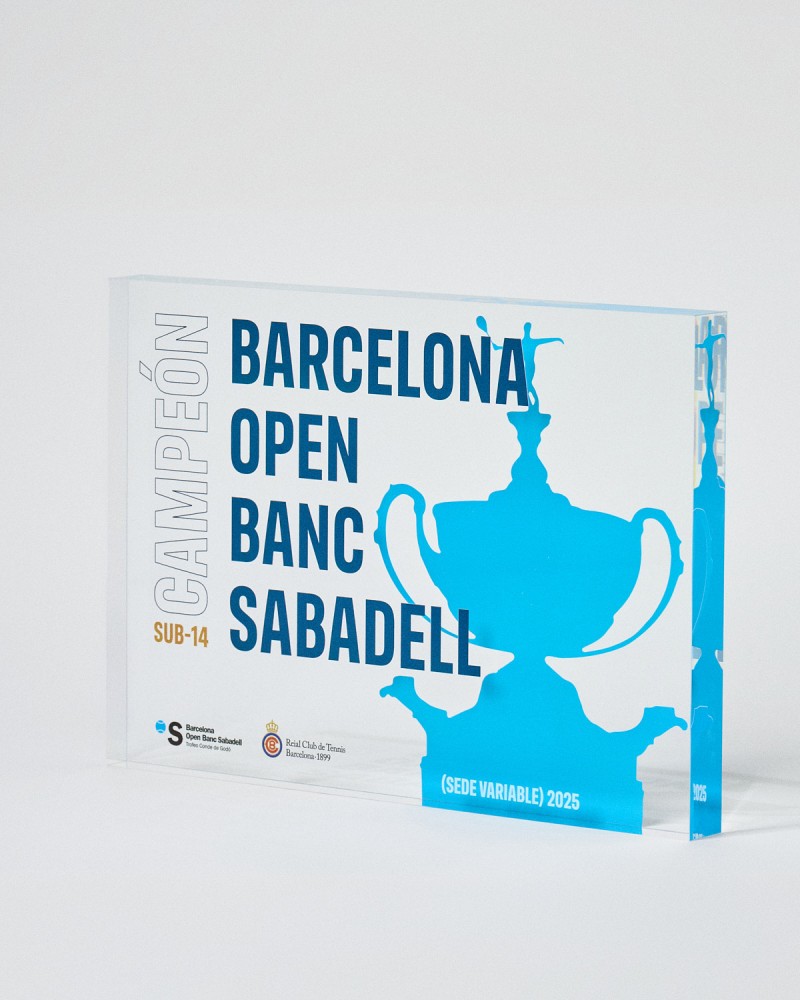
A spoken message ends when the conversation does. Personalized trophies stay in the workspace and keep the recognition visible every day.
The object also confers status — visibly and permanently — even where the hierarchy is flat.
The moment it's handed over adds a sense of ceremony. Corporate awards presented in front of the team build the narrative that reinforces the culture.
Specificity is another advantage of the object. A trophy with an engraved name and a specific date records the exact reason and locks that detail into a medium that lasts.
Alignment with company values seals the case. When recognition needs to line up with stated values, the object itself reflects those values in its material and how it's made.
.jpg)
Recognition in Organizations Without Hierarchy
In organizations without hierarchy, recognition replaces the chain of command as the mechanism that keeps the team aligned.
A flat organization is one with few hierarchical levels or none at all, where authority doesn't depend on title. With no hierarchy to set the order, the team needs another signal to indicate which behaviors the organization values.
Recognition fills that role. It signals which behaviors are considered valuable and grants a status that title no longer assigns.
In this setting, the leader's role changes. They stop approving from above and instead foster an environment where recognition circulates across the team.
Peer Recognition as a Mechanism for Alignment
Peer recognition is what people at the same level exchange, and it works as a reference for the standard the team follows.
Colleagues watch the work up close. Their recognition carries more weight because it comes from someone who knows the ins and outs of the task.
When recognition flows between peers, it sets the expected behavior without any hierarchical involvement. The leader enables it by recognizing first: a team recognizes more when it sees the person leading do it.
Some teams formalize this exchange with a single trophy that passes from one person to the next over successive periods. A trophy designed for repeated use and long-term display sustains that rotation.
.jpg)
Want to recognize your team?
Start with the object that makes it last
Request your personalized trophyThe Leadership That Recognizes
Recognition as a leadership tool brings leadership, culture, and object together in a single practice. In flat structures, it orders and confers status where title no longer does. When the gesture is recorded in a trophy, recognition stays in view well beyond the day it's handed over.