Phone
Phone  Email
Email


- Trophies and sustainability
Recognition of effort in high-pressure work environments
In high-pressure corporate environments, the final result usually gets the celebration, but the effort that makes it possible goes unnoticed.
Recognition of effort bridges that gap: valuing dedication and persistence, not just measurable results. This article explains what it is, why it matters more under pressure, and how to make it last.

Contents
- What is recognition of effort?
- Effort and pressure: two different concepts
- Why recognition of effort matters more under pressure
- The cost of not recognizing effort
- How to recognize someone for their work
- The tangible recognition that lasts
- How to build recognition into your team's culture
- Recognize the process, not just the result
- Frequently asked questions
What is recognition of effort?
Recognition of effort is the explicit acknowledgment of the dedication and persistence put into a task, regardless of the result achieved.
It differs from rewarding results, which looks only at the goal met. Recognizing effort means looking at the process, that is, three dimensions of the work:
- The hours devoted to the task.
- The steady improvement over time.
- The sustained commitment through to the end.
A team can work intensely and still fall short of the goal for reasons beyond its control. If only the result counts, that work stays invisible.
Effort and pressure: two different concepts
Effort and pressure to perform describe different drivers, even though they're often confused.
Effort springs from intrinsic motivation, the inner drive to get involved out of genuine interest.
Pressure to perform is the push to meet a standard. Self-imposed pressure, the kind a person places on themselves, can lead to burnout when no achievement ever feels like enough.
Why recognition of effort matters more under pressure
Recognition of effort matters more in high-pressure environments because constant pressure wears down even those who hit their targets.
Intense workdays and workload spikes create fatigue and stress. Over time, they lead to exhaustion, or burnout, a physical and mental depletion tied to work.
When only the result is recognized, anyone who put in the effort without winning gets left out. Recognizing effort keeps motivation up and protects the team's well-being.
Various studies link frequent recognition to higher talent retention and a better workplace climate.

The cost of not recognizing effort
Failing to recognize effort has a direct cost: lost motivation and talent walking out the door. When dedication repeatedly goes unnoticed, people start to feel they're falling short of expectations, which fuels self-imposed pressure and erodes commitment.


With name, date, and project
Effort, made into an object
Order your personalized trophyHow to recognize someone for their work
Recognizing someone for their work takes three intangible forms: verbal, written, and symbolic.
- Verbal: a spoken response to a specific action, also known as feedback.
- Written: a message or a note the person holds on to.
- Symbolic: a gesture that ties the achievement to a specific moment.
Its impact depends on five conditions: genuine, frequent, personalized, timely, and fair.
- Genuine: it comes from real appreciation, not a canned formula.
- Frequent: it happens often, not as a one-off gesture.
- Personalized: it's tailored to the person and their contribution.
- Timely: it arrives close to the moment of the effort.
- Fair: it applies the same standard across the whole team.
Recognizing someone's work doesn't call for grand gestures; it's the specific message that makes the difference. Preparing employee appreciation quotes ahead of time helps you word it precisely.
The tangible recognition that lasts
Verbal recognition is easy to forget, especially in high-pressure environments, where words get lost in the daily grind. Tangible recognition stays in view and calls the achievement to mind every day.
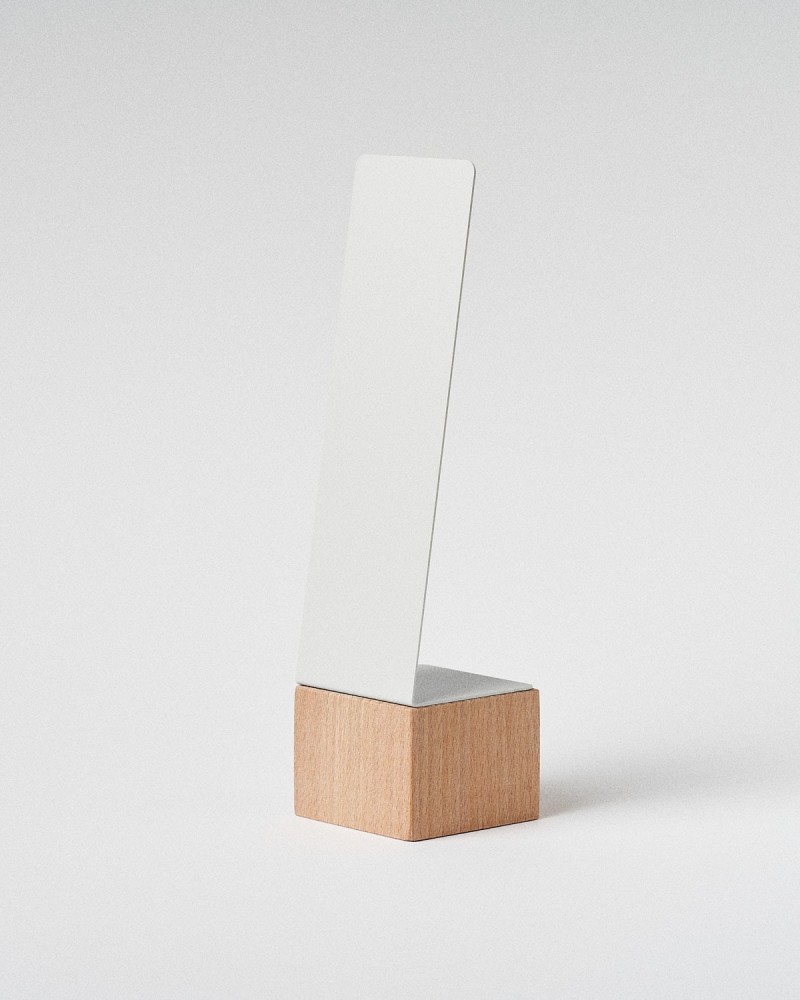
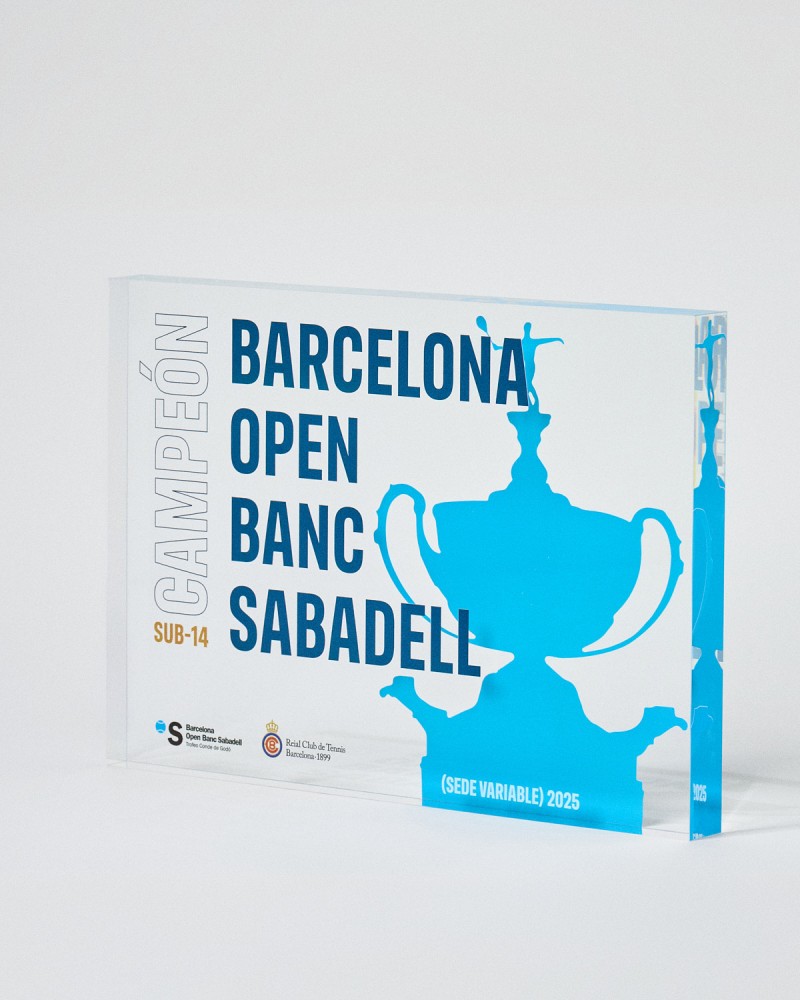
Tangible recognition is a physical object tied to an achievement, like a trophy or a plaque. There are different types of recognition awards depending on the achievement and the team.
A personalized trophy carries the person's name, the date, and the project they put the most effort into. That detail makes the person feel seen and recognized.
A trophy like that, on display in the workplace, tells the team that the result isn't the only thing worth highlighting. With that message in plain sight, the team tends to get involved in future projects of its own accord.
That way, motivation arises without added pressure or demands.
The value isn't in the cost of the object, but in the gesture and the moment it's presented. That ritual reinforces the memory of the recognition across the team.
.jpg)
How to build recognition into your team's culture
Building recognition of effort into your team's culture means turning it into a habit, not a one-off event.
Repeated practices keep it going, like regular appreciation moments built into the team's routine.
Aligning the gesture with the organization's values keeps it consistent. The role of whoever leads the team is decisive, and in that regard, recognition as a leadership tool depends on their consistency.
With name, date, and project
Effort, made into an object
Order your personalized trophyRecognize the process, not just the result
Recognition of effort keeps teams going when the pressure is high and the result doesn't always follow. Valuing the process, and not just the achievement, sustains motivation and well-being. When that recognition becomes tangible, the memory of the effort lasts well beyond the moment.