
 Phone
 Email


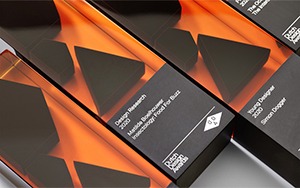
The Dutch Design Awards Trophy: From Logo to Three Dimensions
The Dutch Design Awards trophy turns the award's visual identity into an orange block with three black shapes. George&Harrison conceived it as a three-dimensional interpretation of that identity. Its design and its value for the winner are analyzed.
Read more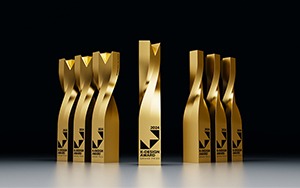
K-Design Award: A Prism That Twists Into Its Own Logo
The K-Design Award trophy starts from a square surface that curves until it forms the award's logo. The organizers explain that this twist reflects an evaluation from several angles. This article describes its shape, its graphics and what the winner gains.
Read more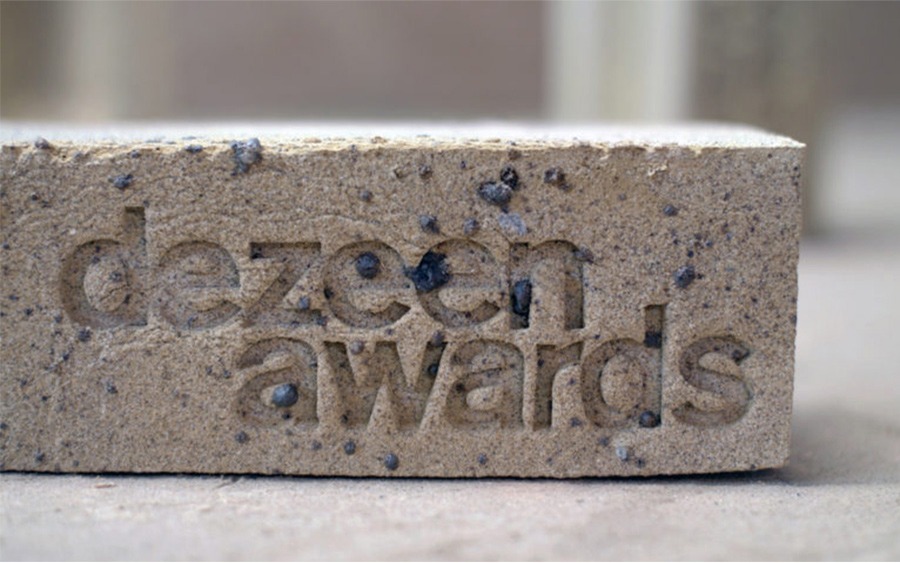
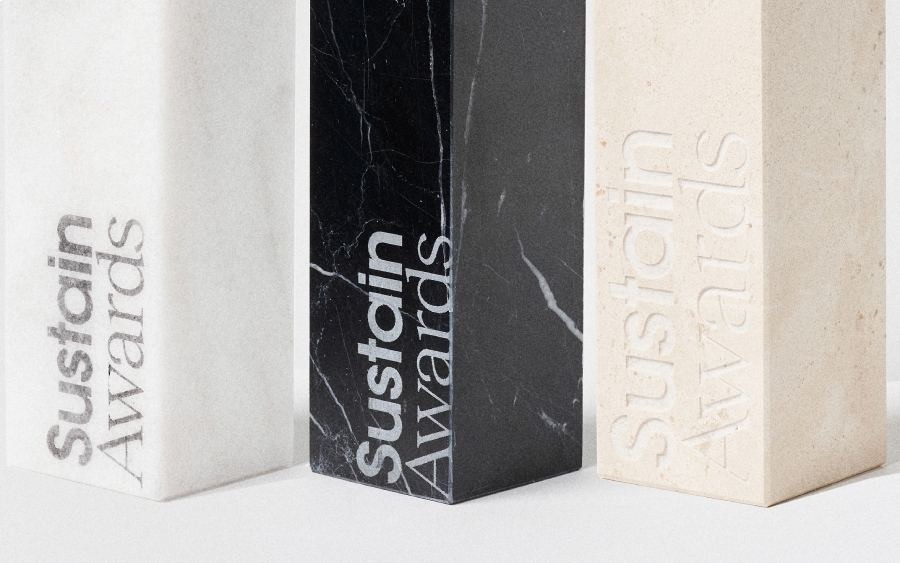
Personalized stone and marble trophies: which technique suits each material
With stone, the material decides the technique. Every stone has its own color, porosity and finish, and these determine which type of personalization it accepts and how the result will look. This guide explains how stone trophies, marble trophies and limestone trophies are personalized, and which technique works best on each one.
Read more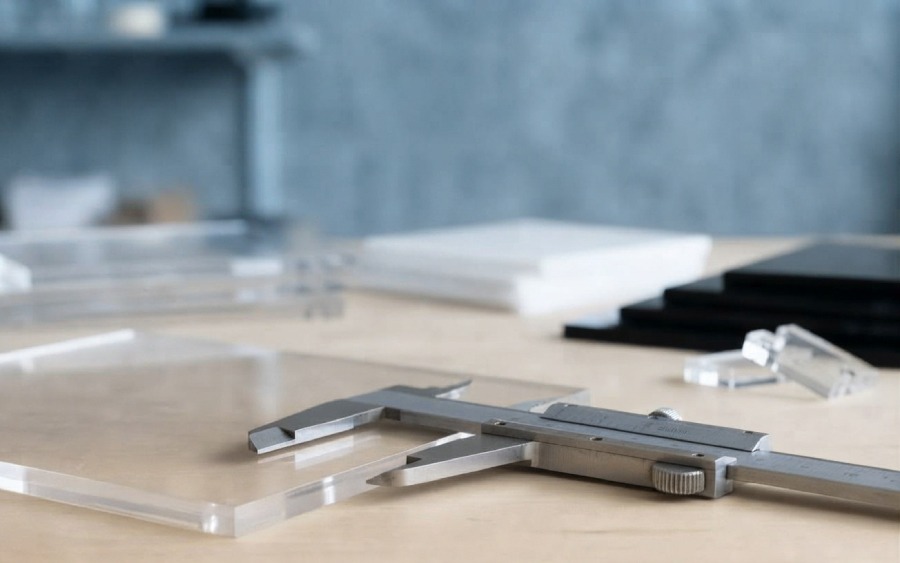
UV printing on acrylic: height control and static electricity in thick sheets
Printing on 20 to 30 mm PMMA with a flatbed UV printer brings together two problems that degrade sharpness: the part's actual height is not its nominal height, and the material builds up an electrostatic charge. Both affect the same thing: the droplet's path between the nozzle and the surface. This article explains the physical origin of each problem, the usual ways to control them, and a workflow that applies to any flatbed UV printer.
Read more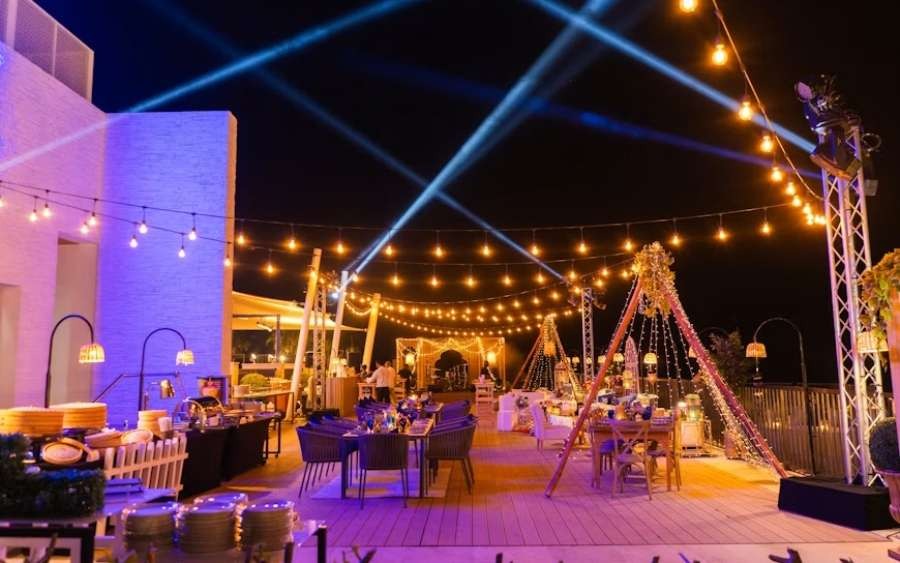
Corporate event ideas: a complete guide to formats that engage
Corporate event ideas range from small team activities to large galas and awards nights. This guide organizes those formats by objective and scale. Each section connects a format to a clear business goal. The strongest options match a defined purpose, not a fixed budget. The text below explains how to select a format and then works through the main categories and use cases.
Read more
Aesthetics in corporate events: what intentional design communicates
Aesthetics in corporate events shape how attendees perceive an organization, how engaged they stay, and how visible its values become. This article covers how spatial design affects behavior, the return that design produces, the elements of a coherent look, and an area that receives less attention: the recognition moment. Each section addresses one decision an organizer faces when setting the visual direction of an event.
Read more
Recognition programs: what they are, types, and how to build one
Recognition programs are structured systems that organizations use to acknowledge the contributions, behaviors, and milestones of the people connected to their work. This guide explains what recognition programs are, the main types, how to build and measure one, and how physical awards fit into a long-term recognition strategy. Each section can be read on its own or as part of the full guide.
Read more
Non-Monetary Rewards: A Guide to Recognizing Talent Beyond Pay
Non-monetary rewards are benefits and forms of recognition that acknowledge work without direct payment. This article defines the concept and sets it apart from financial rewards. It also walks through the different types and looks at when a recognition object is worth more than a cash incentive.
Read more
Manager Appreciation Day: When It Is and 14 Meaningful Ways to Celebrate
Manager Appreciation Day recognizes the leadership, guidance, and work of the managers who support a team. In the United States it usually falls on October 16, the same date as National Boss's Day. This guide covers the date, its origins, and the clearest ways to celebrate.
Read more
Trophy trends 2026: materials, technology, and sustainability
The trophy is no longer defined by a fixed shape with an engraved plate. Today it carries values and gains visibility well beyond the award ceremony itself. A culture of recognition and a pushback against the generic are driving that shift. The trophy trends 2026 bring together purpose-built design, manufacturing technology, lower-impact materials, and digital integration. This article walks through those design directions for the 2026 awards season.
Read more
Incentive travel and corporate events: what they are and how they work in MICE industry
Incentive travel and corporate meetings are two parts of MICE, the framework that groups business events. Their aims differ, yet they often run inside the same program. This guide explains what each one is, how they differ, how they are planned, and how tangible recognition fits in. It also shows where awards and giveaways sit within the wider meetings industry.
Read more
Recognition of effort in high-pressure work environments
In high-pressure corporate environments, the final result usually gets the celebration, but the effort that makes it possible goes unnoticed. Recognition of effort bridges that gap: valuing dedication and persistence, not just measurable results. This article explains what it is, why it matters more under pressure, and how to make it last.
Read more
Recognition as a Leadership Tool
Recognition as a leadership tool helps you value and highlight a team's work as part of the managerial role. This article explains why it influences a team, how it differs from a reward, and what forms it takes. It also looks at how it shifts without hierarchy and the role of the physical object as a lasting record of recognition.
Read more
Virtual awards ceremony: ideas and how to host one
A virtual awards ceremony recognizes winners entirely online, without a shared physical venue. Remote and hybrid teams have made the format a standard option for internal and industry awards. Even though the ceremony is virtual, a personalized trophy the winner can keep still matters after the event ends. This guide explains what the format involves, how to plan one, and how to keep a remote audience watching.
Read more