Phone
Phone  Email
Email


- Trophies and sustainability
Aesthetics in corporate events: what intentional design communicates
Aesthetics in corporate events shape how attendees perceive an organization, how engaged they stay, and how visible its values become.
This article covers how spatial design affects behavior, the return that design produces, the elements of a coherent look, and an area that receives less attention: the recognition moment. Each section addresses one decision an organizer faces when setting the visual direction of an event.
.jpg)
Contents
- Why do aesthetics matter in corporate events?
- What return do event aesthetics produce?
- What are the core elements of a coherent event aesthetic?
- How is brand identity expressed through design?
- Designing the recognition moment
- How do you turn a corporate event into an immersive experience?
- How to prioritize aesthetics on a limited budget
- Design makes brand values visible and lasting
- Frequently asked questions
Why do aesthetics matter in corporate events?
Aesthetics matter in corporate events because the physical setting influences how attendees feel and behave before the program begins. Environmental psychology, the study of how surroundings affect mood and conduct, connects coherent spaces to higher attention and participation.
The peer-reviewed study Interior Color and Psychological Functioning in a University Residence Hall links interior color to students' mood. Color and lighting act on emotional state, and emotional state affects how people engage during sessions.
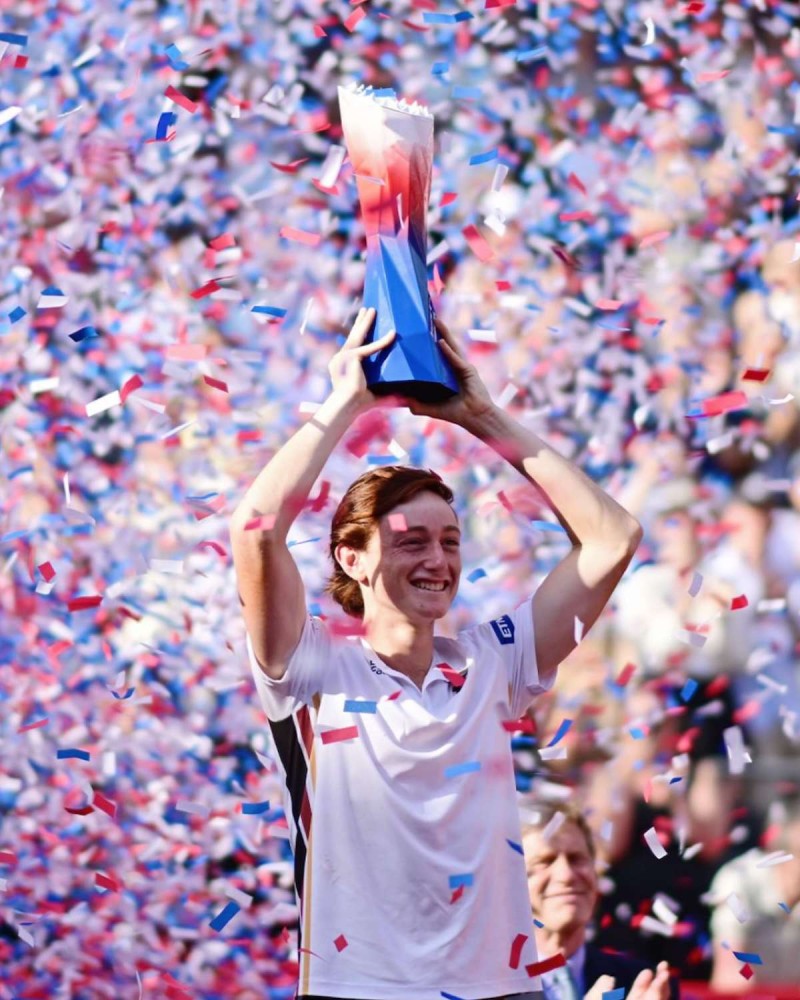
First impressions form within the first minutes of arrival. A setting aligned with the event's purpose reduces friction and directs focus toward its content. The same principle applies to the moment a person walks on stage to accept an award, when lighting and staging carry as much weight as the words spoken.
What return do event aesthetics produce?
Event aesthetics produce measurable returns across several areas: brand perception, message retention, word of mouth, and repeat attendance. Each one connects design decisions to an outcome an organization can track.
- Brand perception: a coherent setting signals how the organization operates, which shapes how attendees interpret its message.
- Message retention: a defined visual context helps attendees recall the content tied to it.
- Word of mouth: a distinct setting gives attendees a concrete reference to describe and share afterward.
- Repeat attendance: attendees and employees return more often to events whose format they associate with clear intent.
Design spending is often reduced first when budgets tighten. Treated as an investment rather than a cost, it maps to the returns above.
What are the core elements of a coherent event aesthetic?
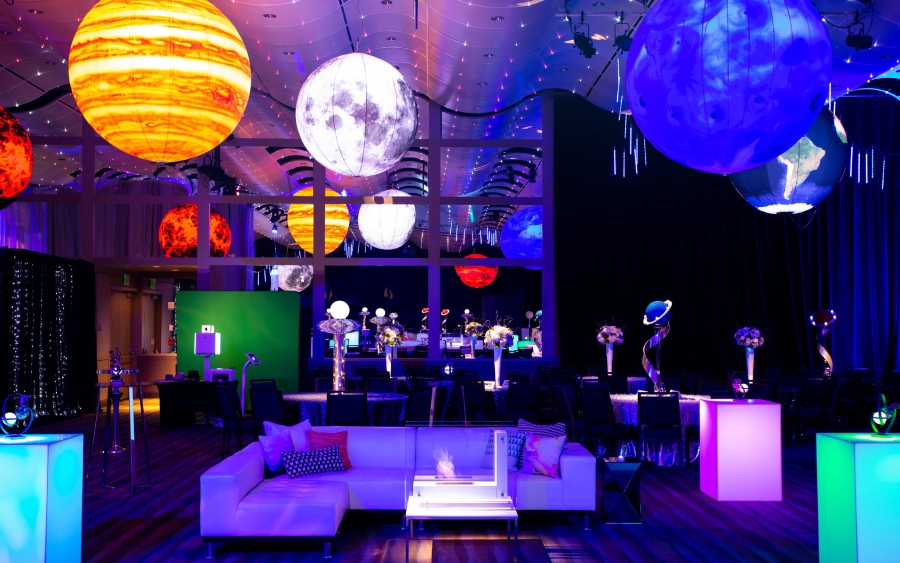
Corporate event design becomes coherent when every element points to the same message. A coherent event aesthetic rests on several elements: color palette, lighting, draping, furniture layout, and textures. One element out of alignment breaks the visual narrative.
- Color palette: a defined set of hues built around a base and two accents. Pantone's Color of the Year 2026 is Cloud Dancer, code 11-4201, a white hue that works as a neutral base in current event design trends.
- Lighting: uplighting, fixtures placed at floor level to wash walls with color, replaces flat overhead light and sets the room's tone.
- Draping: architectural fabric, large panels of cloth used to reshape a space, softens hard surfaces and defines zones.
- Furniture layout: lounge seating and curved arrangements guide movement and encourage conversation over rigid rows.
- Textures: velvet, wood, and stone layered across surfaces add depth that flat finishes lack.
How is brand identity expressed through design?
Brand identity is expressed through design when color, lighting, materials, and staging carry a brand's values, rather than repeating its logo across every surface. Restraint reads as intent. A logo placed on each table, chair, and screen dilutes the message instead of reinforcing it.
A step-and-repeat, a branded backdrop used for photographs, has its place, but it cannot substitute for a setting built around the brand's actual character. Values shown through material and color decisions register more clearly than values printed on signage.
Designing the recognition moment
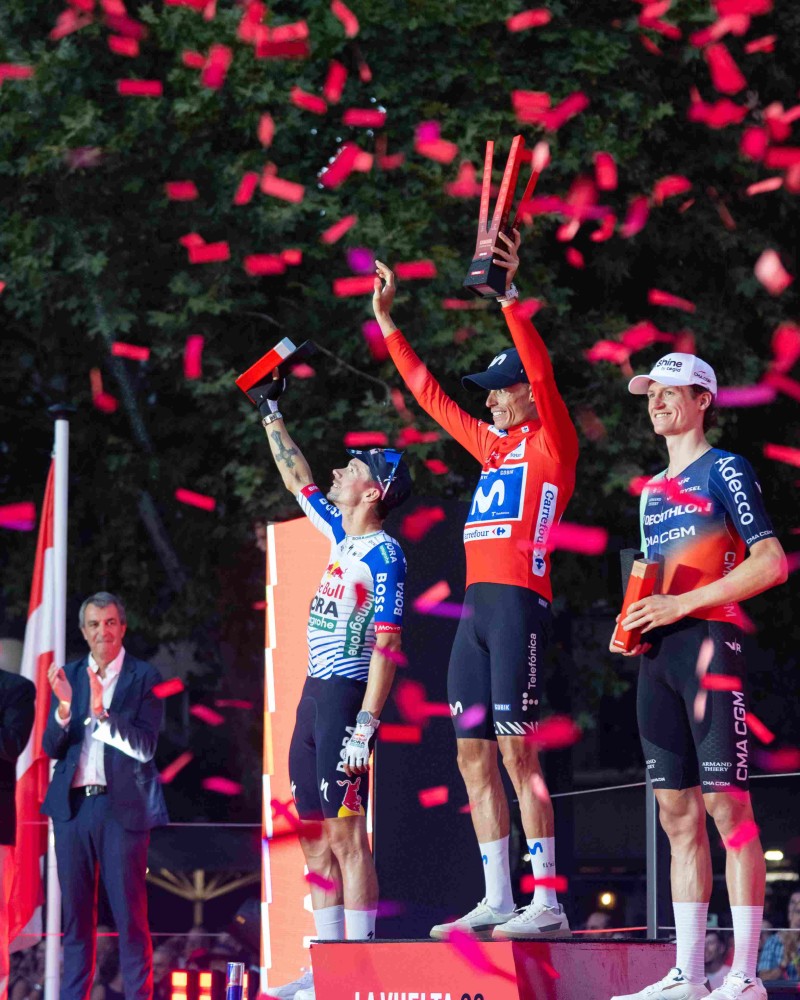
The recognition moment is the emotional peak of most corporate events, and it warrants the same design attention as the rest of the program. Award ceremonies, anniversaries, and kickoffs share this peak: the point when a person is named and honored in front of the room. Stage design, focal lighting, the award table, and the handover sequence all shape how that moment lands.
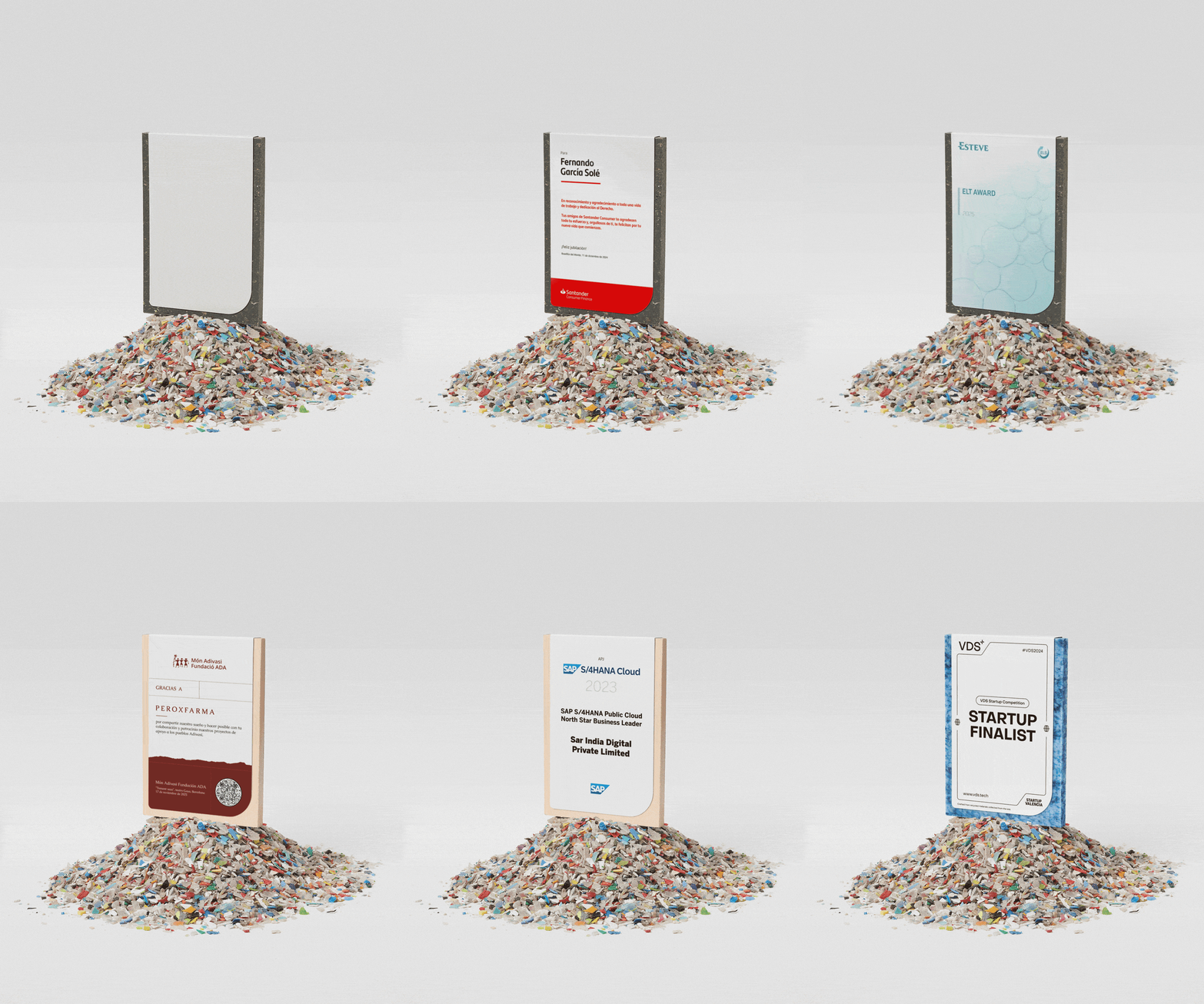
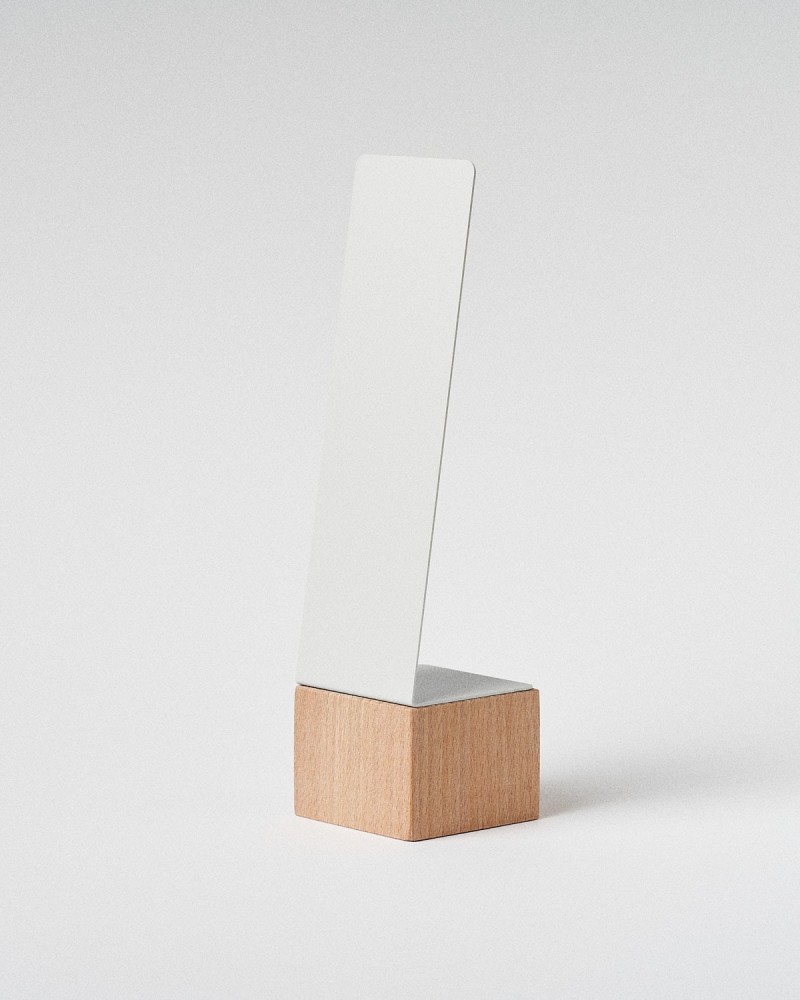
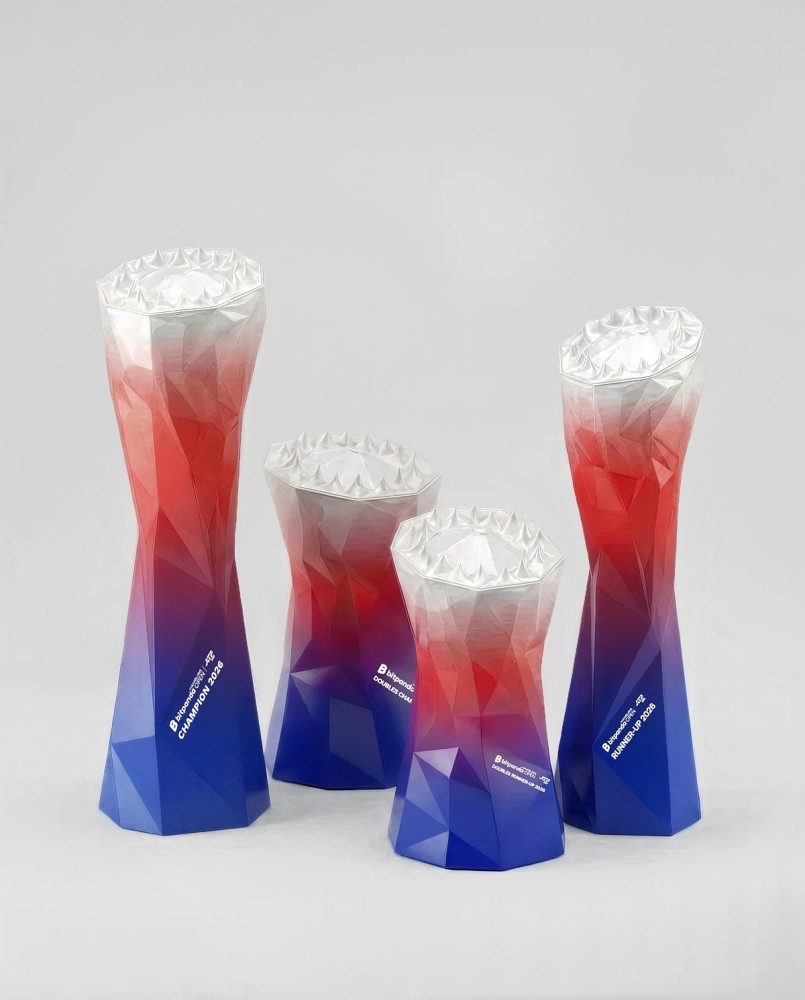
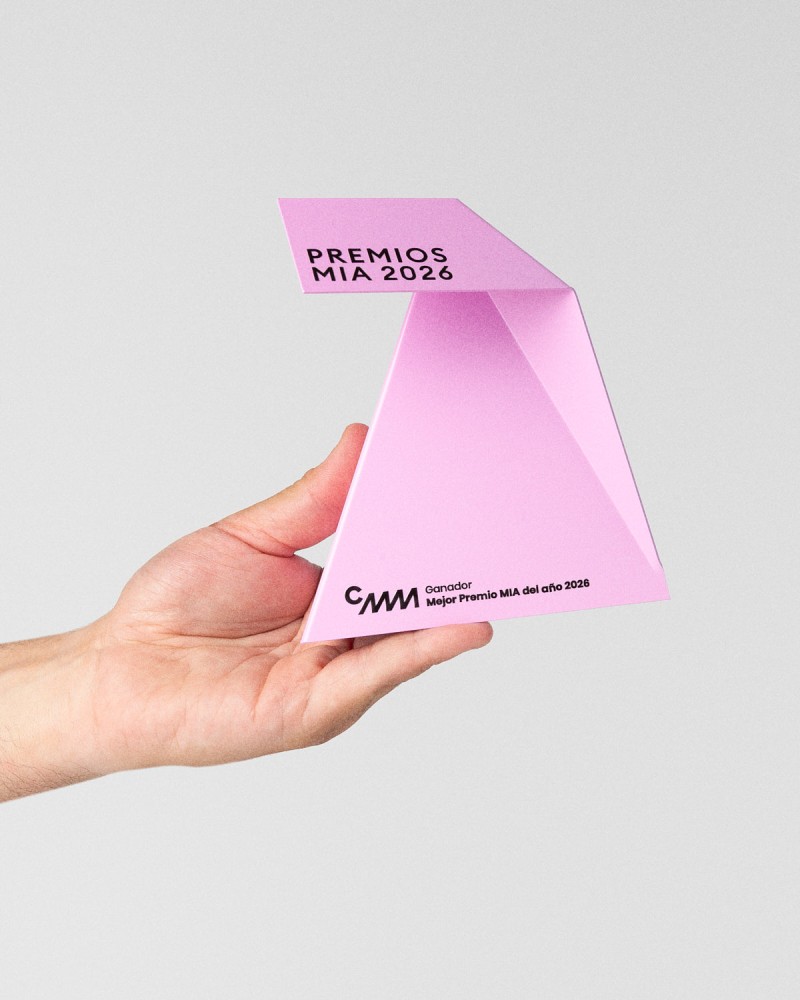
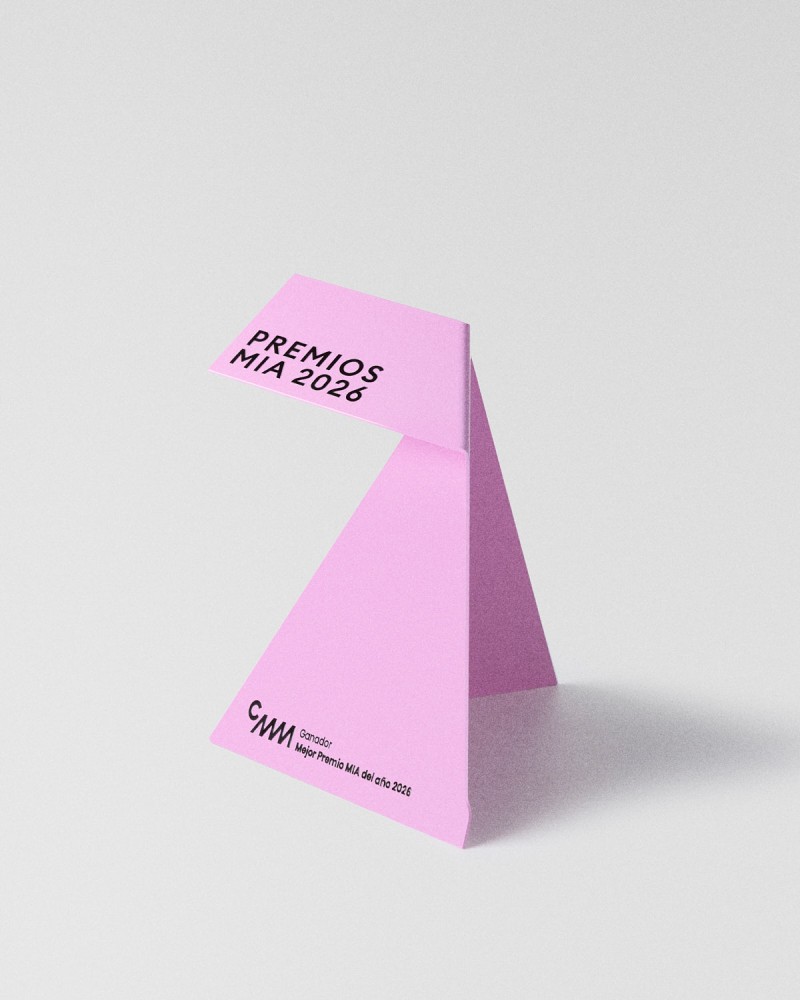
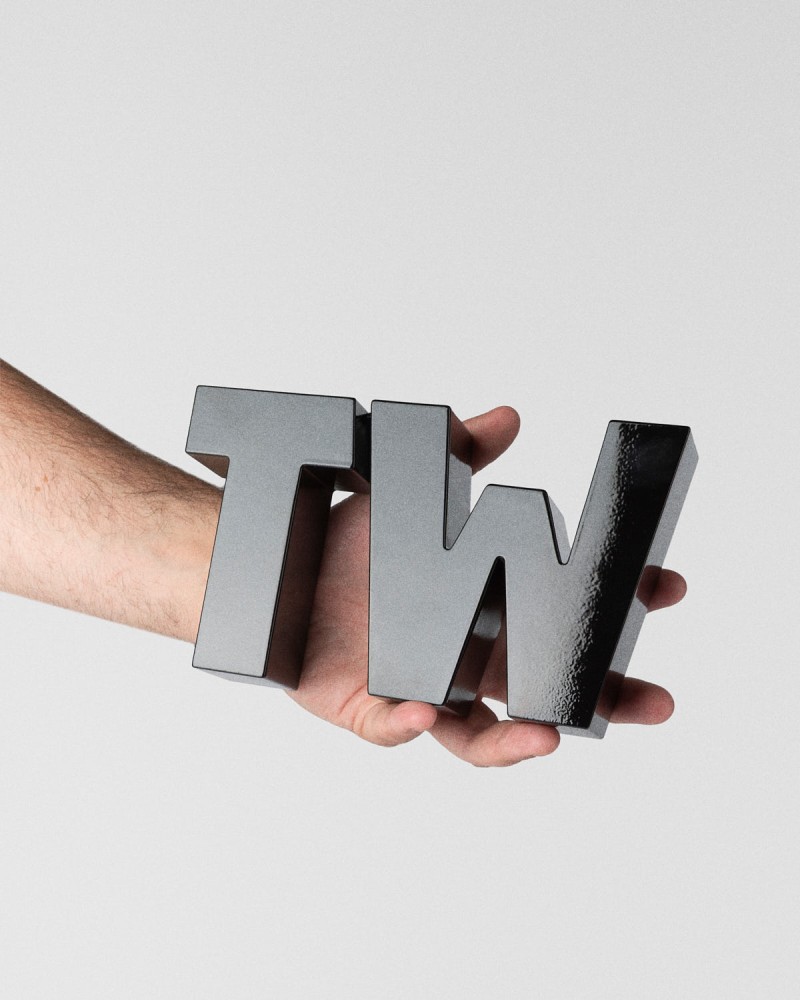
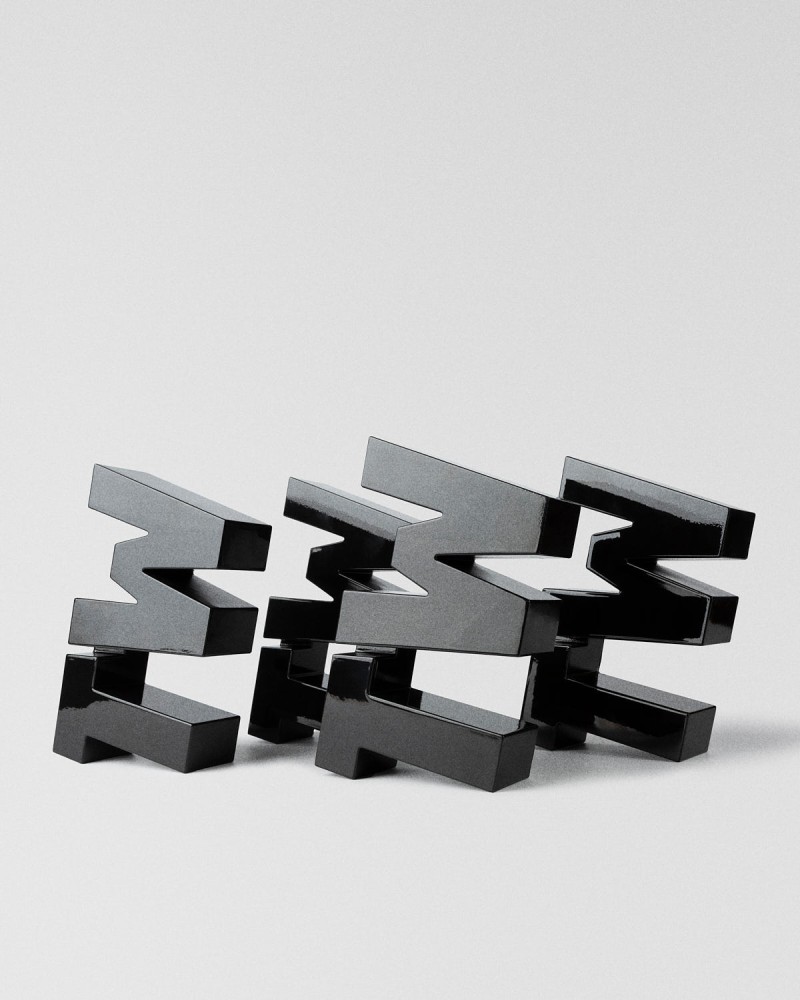
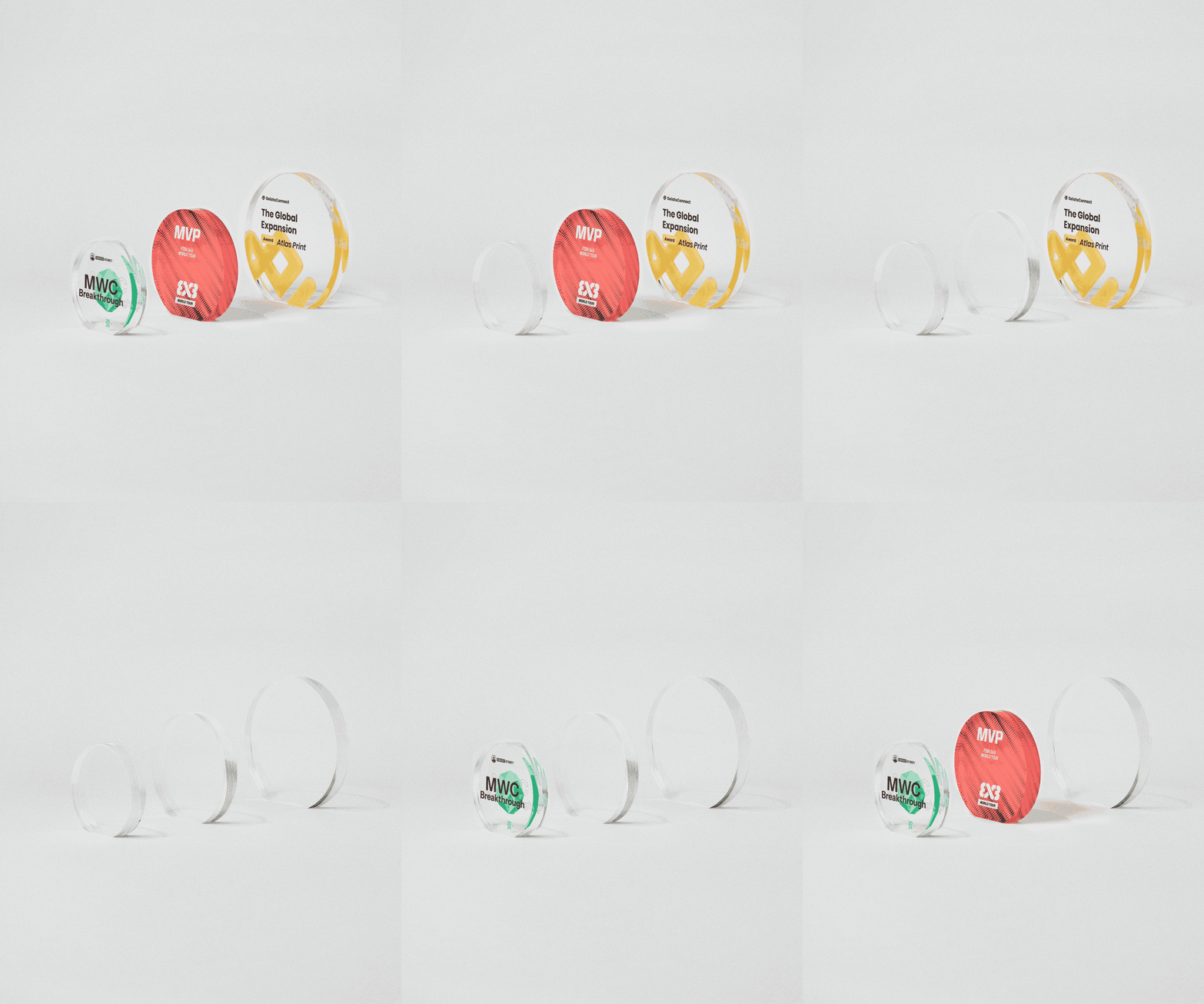
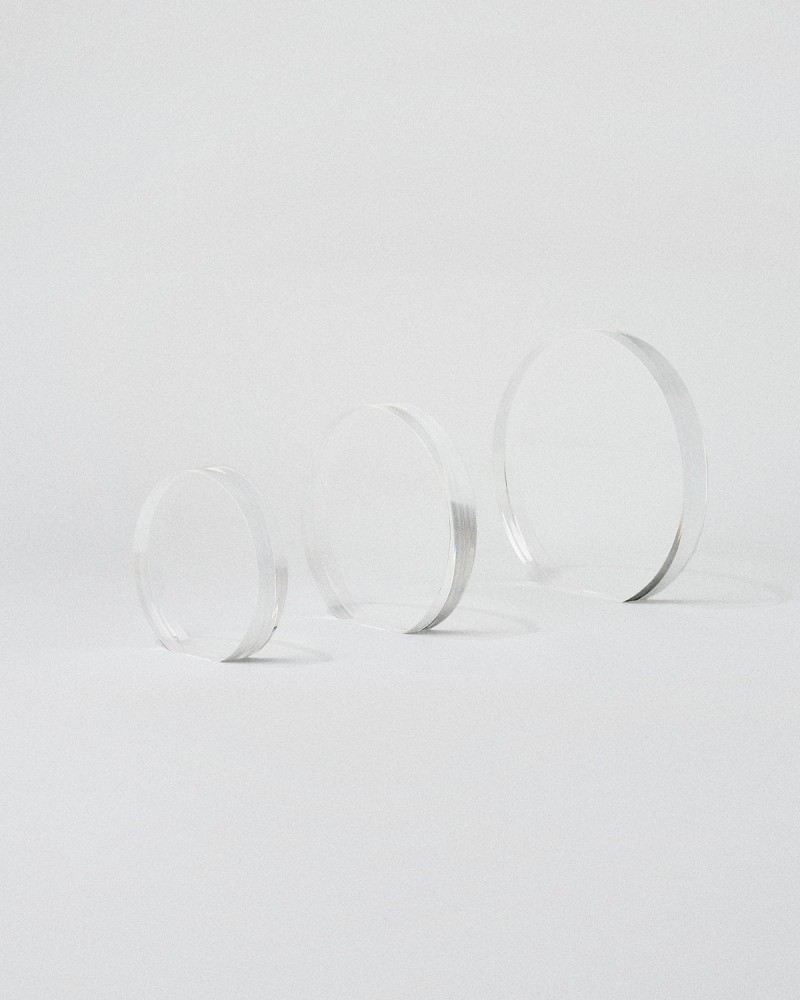
The recipient keeps and displays the trophy for years, so it must match the event's aesthetic. A generic award, or one misaligned with the branding, can become a negative highlight of the event. In contrast, custom trophies designed to preserve the aesthetic and stay coherent with the rest of the design leave a lasting impression.
.jpg)


From the lit stage to the shelf, long after the room comes down.
Explore what we can design for your ceremony.
Request your custom trophyHow do you turn a corporate event into an immersive experience?
A corporate event becomes immersive when its design elements combine into one theme that attendees move through rather than look at. In these immersive corporate events, color, lighting, draping, and textures are the means, not the goal.
A themed corporate event connects every touchpoint to that theme: entrance, signage, stations, and the peak moment. This is the shift from decorating a room to experiential event design, where one idea organizes every aesthetic decision.
Building an immersive event rests on a few decisions: choosing a theme with meaning, planning a sequence, engaging more than sight, and building toward a peak.
- Pick a theme that carries meaning: the theme should reinforce the brand's message and values, not sit on the event as decoration.
- Design a sequence, not a backdrop: plan arrival, immersion, peak, and close, so attendees advance through defined moments.
- Engage more than sight: add sound, texture, scent, and interaction to reach senses beyond vision.
- Build toward a peak: every route needs one high point that the earlier moments lead to.
Creative corporate event themes work best when they build toward the recognition moment. Strong business theme ideas tie the whole experience back to the people the event honors.
Personalized trophies are what remains once the theme's decor, lighting, and staging come down. Focused on the recipient, they mark a person's name, role, or achievement. A themed awards night turns the shared, temporary experience into something individual and lasting.
.jpg)
How to prioritize aesthetics on a limited budget
Aesthetics on a limited budget come down to selecting one or two elements and executing them fully, rather than spreading spending thin. Impact per dollar guides the order of priorities.
- Color and lighting first: the two elements that change a room's tone for the least cost.
- A single draping element: one fabric statement at the entrance rather than several partial ones.
- Textures on the table before large florals: layered surfaces cost less and last longer than cut flowers.
- One recognition element: a well-made award and a lit stage over decor that few attendees recall.
Discipline over volume yields a stronger result. Two elements executed with intent register more than a room filled with unrelated details.
Design makes brand values visible and lasting
Aesthetics in corporate events are not decoration. They are the method by which an organization's values become visible, from the entrance to the recognition stage. What lasts, the trophy handed to a recipient and the materials behind it, defines how the event is remembered.