Phone
Phone  Email
Email


- Trophies and sustainability
Corporate event ideas: a complete guide to formats that engage
Corporate event ideas range from small team activities to large galas and awards nights. This guide organizes those formats by objective and scale.
Each section connects a format to a clear business goal. The strongest options match a defined purpose, not a fixed budget. The text below explains how to select a format and then works through the main categories and use cases.
Contents
- Why corporate events matter
- How to choose the best corporate event ideas for your goals
- Corporate event ideas by category
- Corporate celebration ideas: turning milestones into recognition
- Large corporate event ideas: galas, conferences, and awards nights
- Event branding ideas to make a corporate event memorable
- The best corporate event ideas start with a goal
- Frequently asked questions about corporate event ideas
Why corporate events matter
Corporate events act on employee experience, which shapes engagement and retention. Deloitte research on workforce experience surveyed more than 4,000 workers and connects that experience to retention. In the study, employees who feel their organization overlooks their well-being are twice as likely to quit.
An event is one designed experience within that pattern. It works on four conditions behind engagement:
- Morale: shared positive moments during work hours.
- Collaboration: contact between people who rarely meet.
- Belonging: recognition of individual contribution.
- Connection: informal ties across teams.
The best corporate event ideas tie each format to one of these conditions.
How to choose the best corporate event ideas for your goals
The best corporate event ideas are the ones that fit a specific goal, audience, and budget, not the most expensive ones. The three steps below define that fit before any booking.
Start with one clear objective
A corporate event usually serves one primary objective: collaboration, innovation, milestone celebration, client retention, or employee wellbeing.
- Collaboration: connect people who rarely work together.
- Innovation: generate new ideas in a set time frame.
- Milestone celebration: mark a specific achievement.
- Client retention: strengthen ties with existing clients.
- Employee wellbeing: support health and reduce stress.
Match audience, format, and scale
The right format depends on three factors: group size, location model, and attendee roles.
- Group size: from a single team to the full company.
- Location model: in-person, hybrid, or remote.
- Attendee roles: staff, clients, or mixed audiences.
Scale changes the format. A ten-person team fits a workshop, while a five-hundred-person audience needs a staged production. This distinction leads into large-format events later in the guide.
Set a budget and define success
Define success metrics before booking anything. Clear metrics make the budget a decision rather than a guess.
- Participation rate: the share of invitees who attend.
- Satisfaction score: post-event feedback on a fixed scale.
- New connections: the number of first-time contacts made.
Ambition can range from a low-cost internal activity to a full-scale gala. The metric stays the same; only the production changes.
Corporate event ideas by category
Corporate event ideas group into five categories by purpose:
- Team-building formats.
- Entertainment formats.
- Culinary and tasting experiences.
- Wellness and outdoor formats.
- Virtual and hybrid formats.
Each category below covers the formats that fit it.
Team-building formats
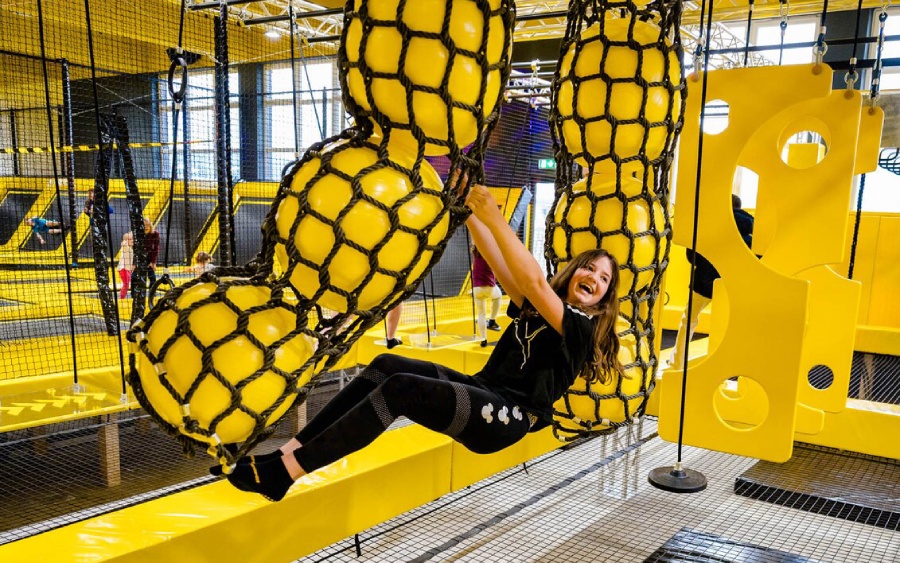
Team-building formats center on collaboration and communication, and include escape rooms, scavenger hunts, problem-solving challenges, office olympics, and non-technical hackathons.
- Escape rooms: timed puzzles solved as a team.
- Scavenger hunts: location-based tasks across a venue or city.
- Problem-solving challenges: structured tasks with a shared goal.
- Office olympics: short contests between small teams.
- Non-technical hackathons: idea sprints open to any department.
Entertainment formats
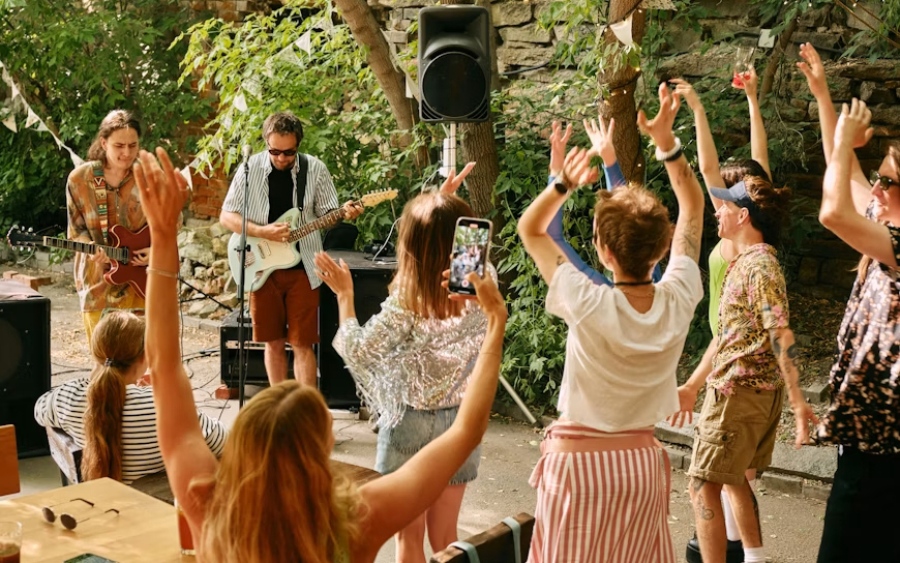
Entertainment formats add a show element and include live music, comedy sets, casino nights, silent discos, mentalists, photo booths, and game shows.
- Live music: a band or DJ during the event.
- Comedy sets: a booked stand-up performer.
- Casino nights: table games played with tokens.
- Silent discos: guests listen through wireless headphones.
- Mentalists: stage acts based on prediction routines.
- Photo booths: a fixed station for attendee photos.
- Game shows: quiz formats run for the audience.
An internal awards ceremony also works as entertainment with a purpose. It combines a stage format with recognition of specific people.
Culinary and tasting experiences
Culinary formats build around food and include cooking classes, cook-off challenges, mixology sessions, guided tastings, and kits shipped to remote staff.
- Cooking classes: a chef leads a shared recipe.
- Cook-off challenges: teams compete under a time limit.
- Mixology sessions: guided drink preparation.
- Guided tastings: wine, coffee, or chocolate with a host.
- Shipped kits: ingredients sent to remote participants.

Wellness and outdoor formats
Wellness and outdoor formats support health and include picnics, sports challenges, yoga or meditation sessions, wellness days, and family days.
- Picnics: an outdoor meal for the group.
- Sports challenges: team matches or relay events.
- Yoga or meditation: guided sessions during work hours.
- Wellness days: a program of health-focused activities.
- Family days: an event open to relatives.
Virtual and hybrid formats
Virtual and hybrid formats reach distributed teams and include online trivia, virtual tastings with kits, talent shows, and remote scavenger hunts.
- Online trivia: a live quiz over video.
- Virtual tastings: shipped kits paired with a host session.
- Talent shows: staff performances streamed to all sites.
- Remote scavenger hunts: home- or screen-based task lists.
Recognition adapts to a screen as well. A virtual awards ceremony applies the same named-category format over video, with results shown live to every site.
Hybrid formats need a facilitator assigned to the remote audience. Without one, on-site attention takes over and remote participants drop off.


Turn great events into tangible recognition.
See what we can create for your event.
Explore our corporate trophiesCorporate celebration ideas: turning milestones into recognition
Corporate celebration ideas focus on marking a specific milestone and recognizing the people behind it. This shifts the frame from activity to recognition.
Reasons worth celebrating
A milestone gives a celebration its reason and its content. Common triggers include company anniversaries, service milestones, product launches, goal completion, and entering an industry ranking.
- Company anniversaries: a founding date reached.
- Service milestones: years of tenure for an employee.
- Product launches: the release of a new client product.
- Goal completion: a target met by a team.
- Industry ranking: a place earned in a sector list.
Marking these dates builds belonging, because it names shared progress in front of the group.
Recognition-led celebration ideas
Recognition-led celebrations name specific achievements in front of the group. Three formats fit this approach: internal awards ceremonies, trophy presentations, and awards nights.
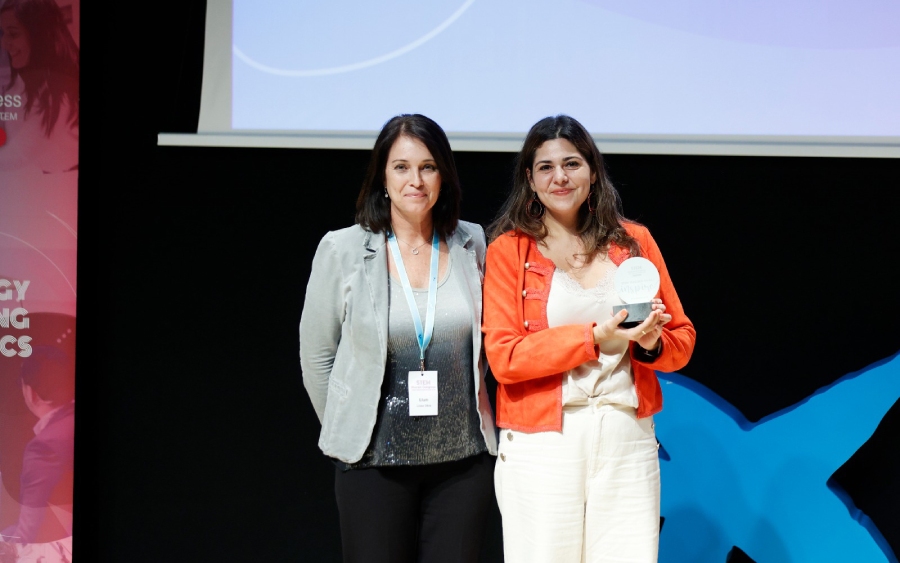
- Internal awards ceremonies: named categories with a short presentation.
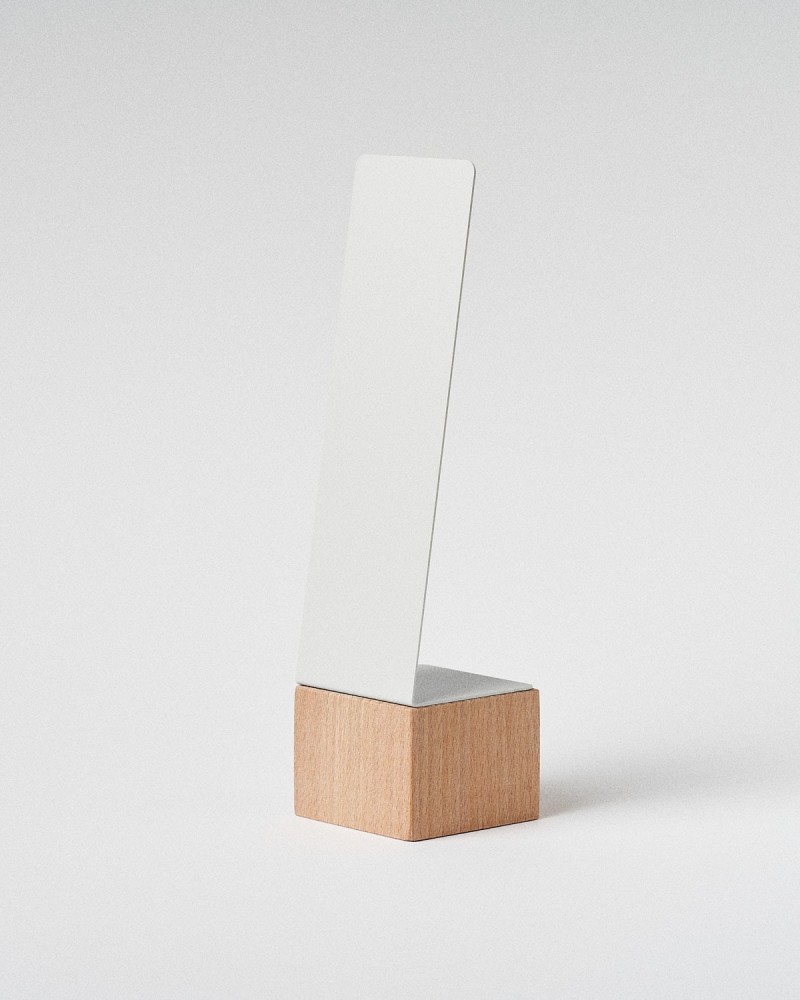
- Trophy presentations: a physical award handed to each recipient.
- Awards nights: a full event built around recognition.
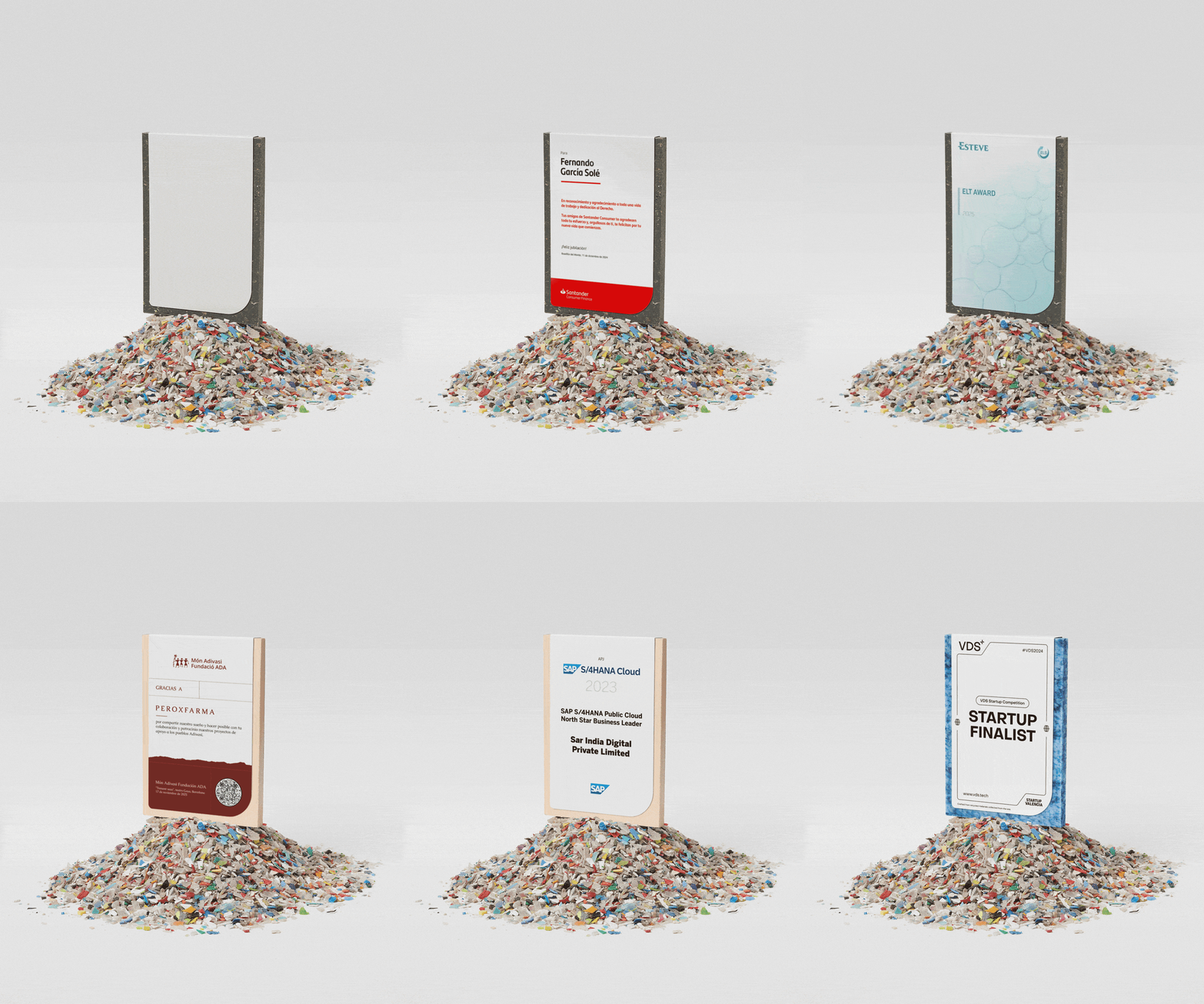
A single celebration works better inside a structured recognition program, which applies consistent criteria across the year. A trophy gives the recognition a lasting physical form after the event ends. In practice, corporate awards are the category that groups these staged, named recognitions.
Gifts and rewards employees keep
A reward differs from a gift: a reward marks a specific achievement, while a gift expresses general appreciation. Both work best when they connect to the person.
- Personalized gifts: chosen for the individual, not the group.
- Branded swag: usable merchandise carrying the company identity.
- Experiences: tickets, classes, or trips.
- Handwritten notes: a short message tied to the achievement.
Choosing corporate gifts that feel personal rather than generic takes some planning, and the effort shows in how long the gift is kept.
Large corporate event ideas: galas, conferences, and awards nights
Large corporate event ideas apply to audiences that need staging, production, and crowd management. These formats change how every earlier decision is executed.
Formats that scale
Large-scale corporate events include galas, conferences, sales kickoffs, awards nights, and company festivals.
- Galas: a seated evening event with a program.
- Conferences: multi-session events with speakers.
- Sales kickoffs: annual meetings for a sales force.
- Awards nights: staged recognition for a large audience.
- Company festivals: open-format events across several zones.
Growth changes several production areas at once:
- Logistics: transport, registration, and crowd flow.
- Audiovisual production (AV): sound, lighting, and screen systems.
- Catering: food service designed for large numbers.
Making a large event feel personal
A large event feels personal when individuals receive recognition within the crowd. Scale alone does not create connection; targeted moments do.
- Hero moments: short segments that place one person or team on the main stage.
- Content tracks: parallel sessions split by interest or role.
- Individual recognition: named awards inside a large audience.
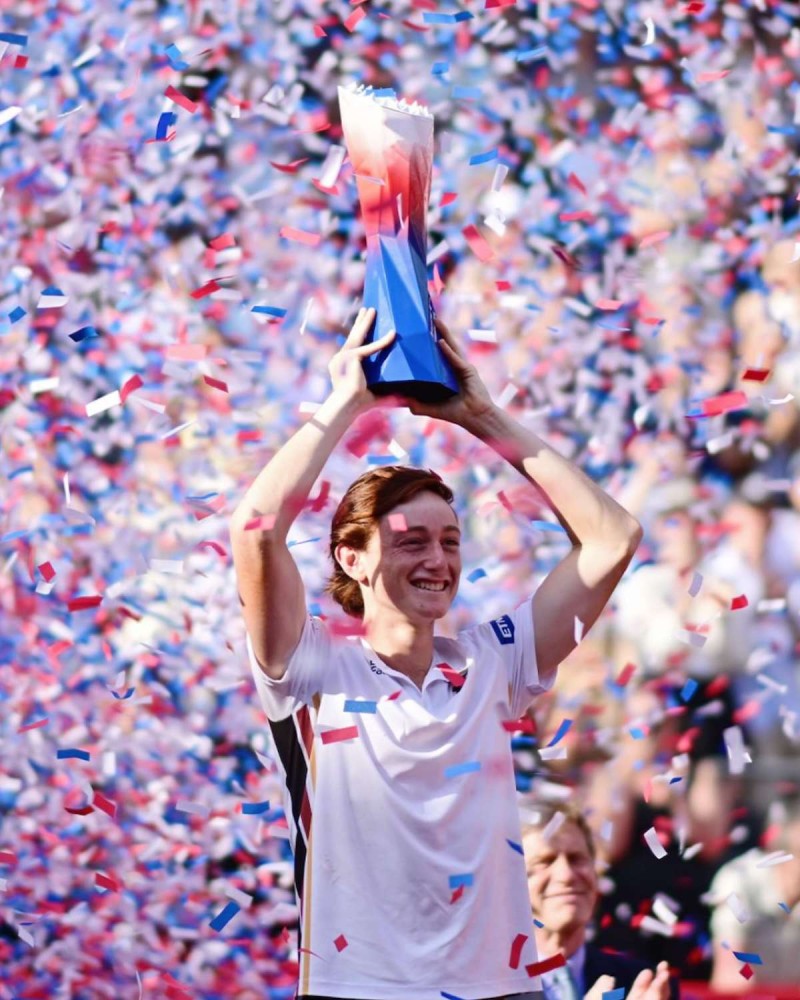
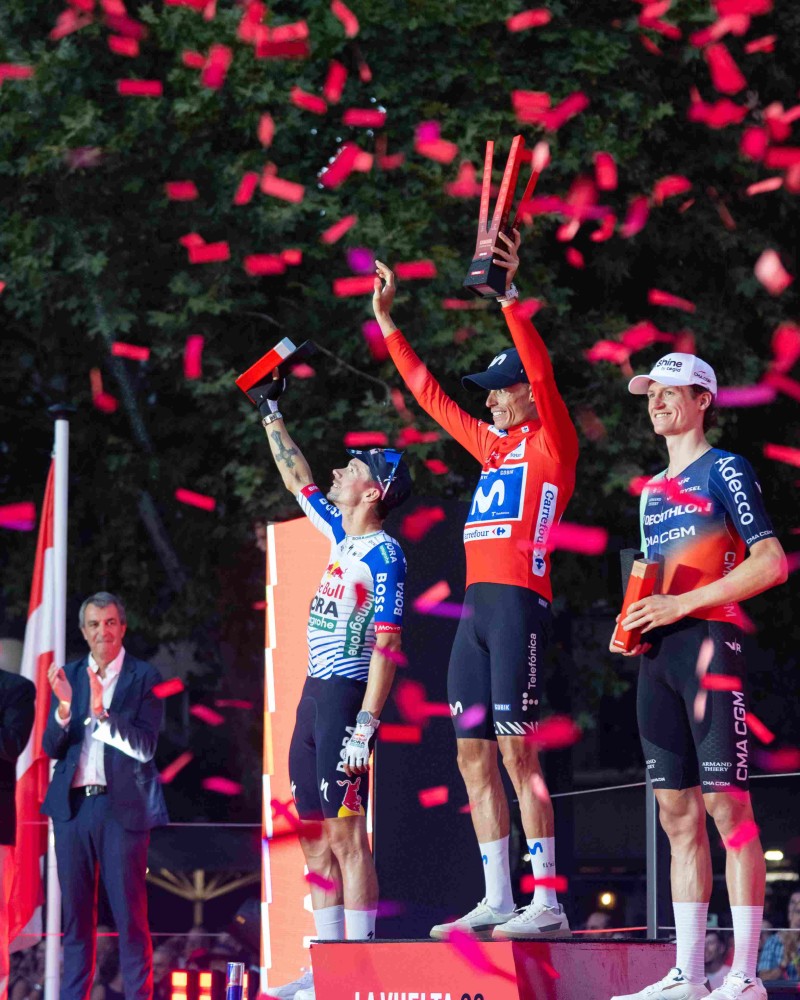
In this setting, the awards presentation often draws the strongest audience response. A trophy handed on stage marks that individual moment inside a large room.
Event branding ideas to make a corporate event memorable
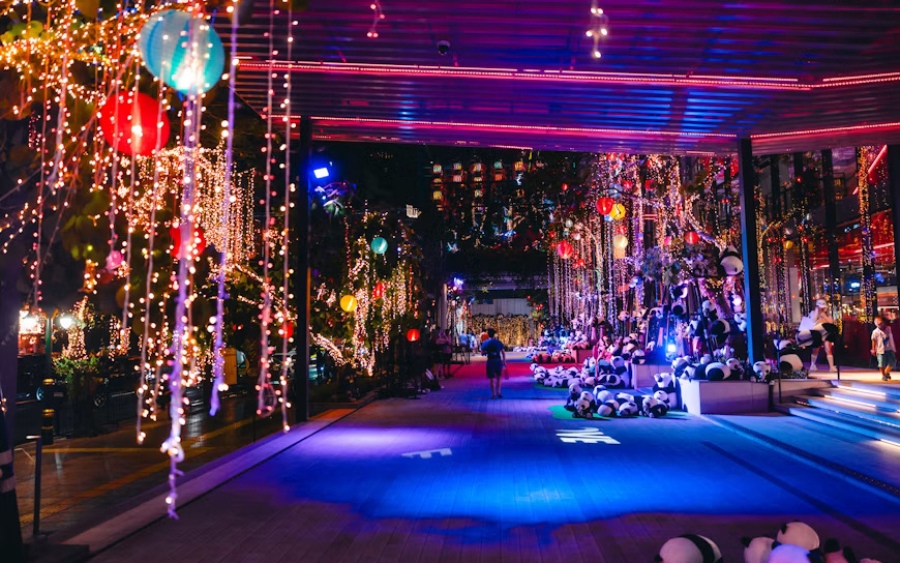
Event branding ideas apply one visual identity across a corporate event, from the entrance to the stage. Consistent branding makes the event easier to recognize and to share.
Visual and spatial branding
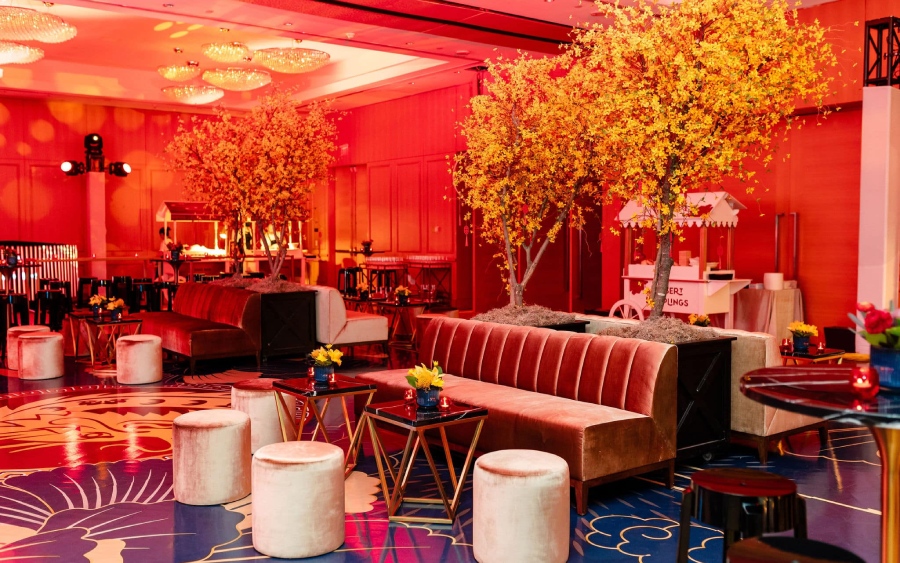
Visual and spatial branding covers color palettes, 3D logo installations, themed zones, signage, branded check-in, and photo backdrops.
- Color palettes: a defined set of colors across all materials.
- 3D logo installations: freestanding structures of the company mark.
- Themed zones: areas designed around one concept.
- Signage: directional and narrative text panels.
- Branded check-in: the entry point styled with the identity.
- Photo backdrops: fixed panels for attendee photos.
Aesthetics in corporate events shape how attendees remember the whole event.
Experiential and shareable moments
Experiential and shareable moments prompt attendees to interact and post. These formats include gamification, social walls, photo moments, and branded swag.
- Gamification: point systems or challenges during the event.
- Social walls: live feeds of attendee posts on screen.
- Photo moments: staged spots designed for sharing.
- Branded swag: usable merchandise carrying the identity.
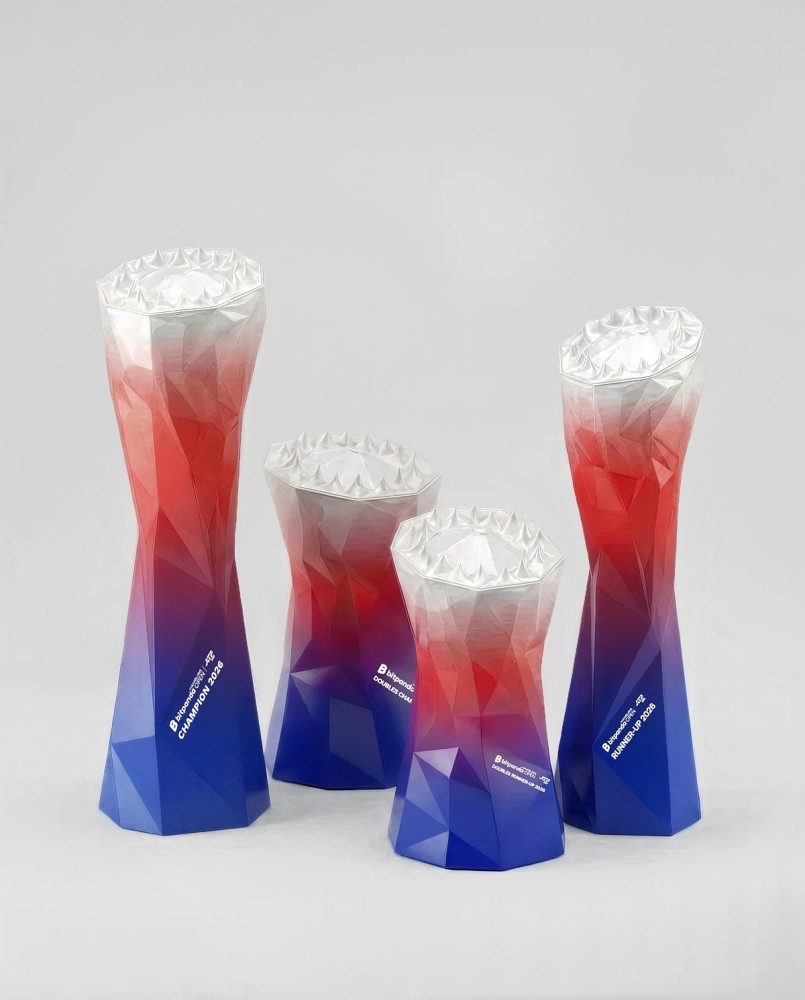
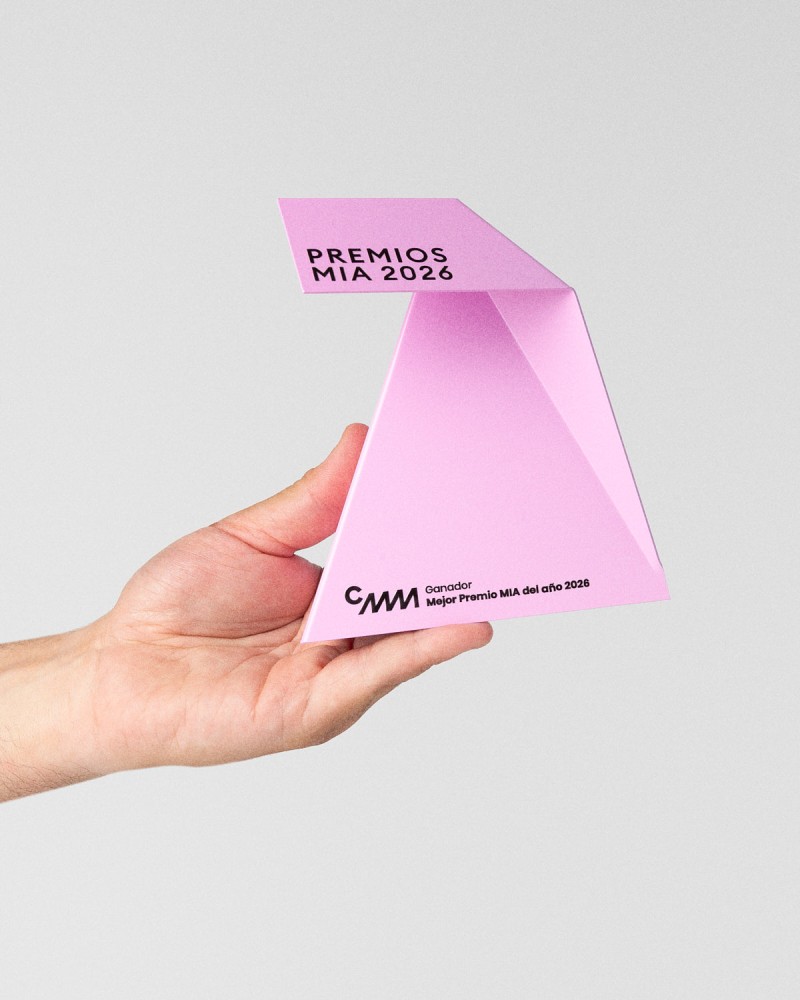
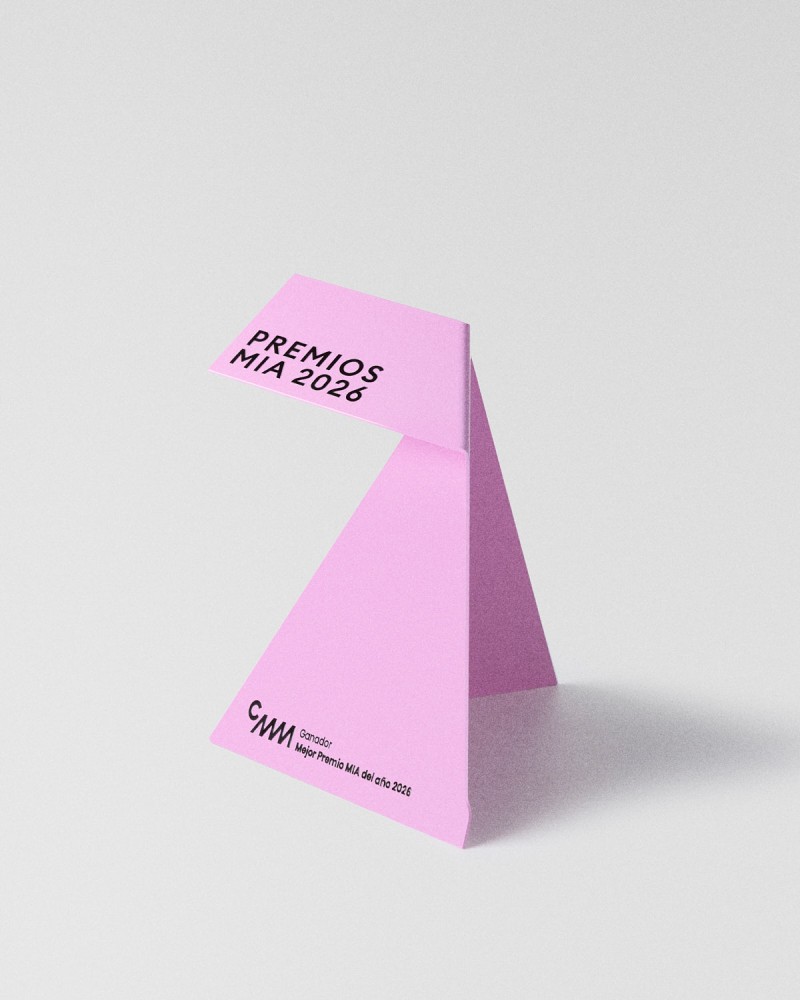
A trophy designed for the event also carries the event's visual identity, so recognition and branding connect in the same object.
Turn great events into tangible recognition.
See what we can create for your event.
Explore our corporate trophiesThe best corporate event ideas start with a goal
Corporate event ideas work best when each format matches a defined objective and audience. A clear goal sets the scale, and scale shapes production and recognition. Treated this way, a single event becomes part of a longer engagement strategy rather than an isolated date.