Phone
Phone  Email
Email


- Trophies and sustainability
How to hang award plaques on the wall: a general guide
Hanging award wall plaques means deciding on the fixing before you get to the wall. The choice comes down to three variables: the weight of the plaque, the wall material and whether the spot is indoors or outdoors. This guide sets out the right fixing system for each case.
Contents
- The three factors that decide the fixing
- Which fixing for which wall type?
- What changes between indoors and outdoors?
- The most common hanging systems
- What height should a plaque go at?
- Common mistakes when hanging a plaque
- Choosing the right plaque makes installation easier
The three factors that decide the fixing
Three factors determine the hanging system: the weight of the plaque, the wall material and the location.
- Weight: it sets whether adhesive is enough or a mechanical screw fixing is needed.
- Wall material: it dictates the type of wall anchor and drill bit.
- Location: indoors or outdoors changes how well the anchor has to hold up against moisture.
Some plaques come with the hanging system built into the back. Others need one added during installation.
.jpg)
Which fixing for which wall type?
The fixing depends on what the wall is made of, with four main cases: brick or concrete, drywall, tiled wall and surfaces you can't drill.
- Brick or concrete: wall anchor and screw, with a hammer drill and a tungsten carbide bit, a hard metal that cuts through mineral materials.
- Drywall (gypsum board on a metal frame): expansion or toggle anchors; for heavy plaques, screw into the metal stud behind it.
- Tiled wall: a tile bit, drilling into the center of the tile rather than the grout line; put tape over the spot so the bit doesn't slip.
- Surfaces you can't drill (glass, rented office partitions): double-sided structural adhesive, with a set weight limit.
The no-drill case calls for one caveat: on that kind of surface, a heavy plaque needs a mechanical fixing, not adhesive.
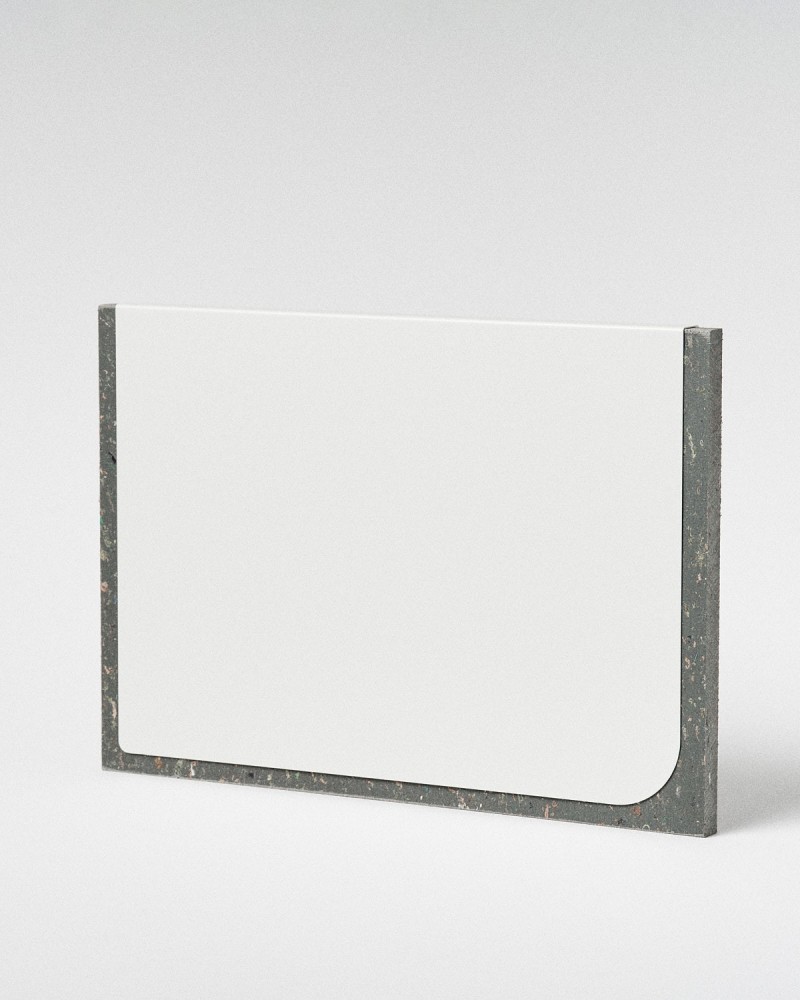
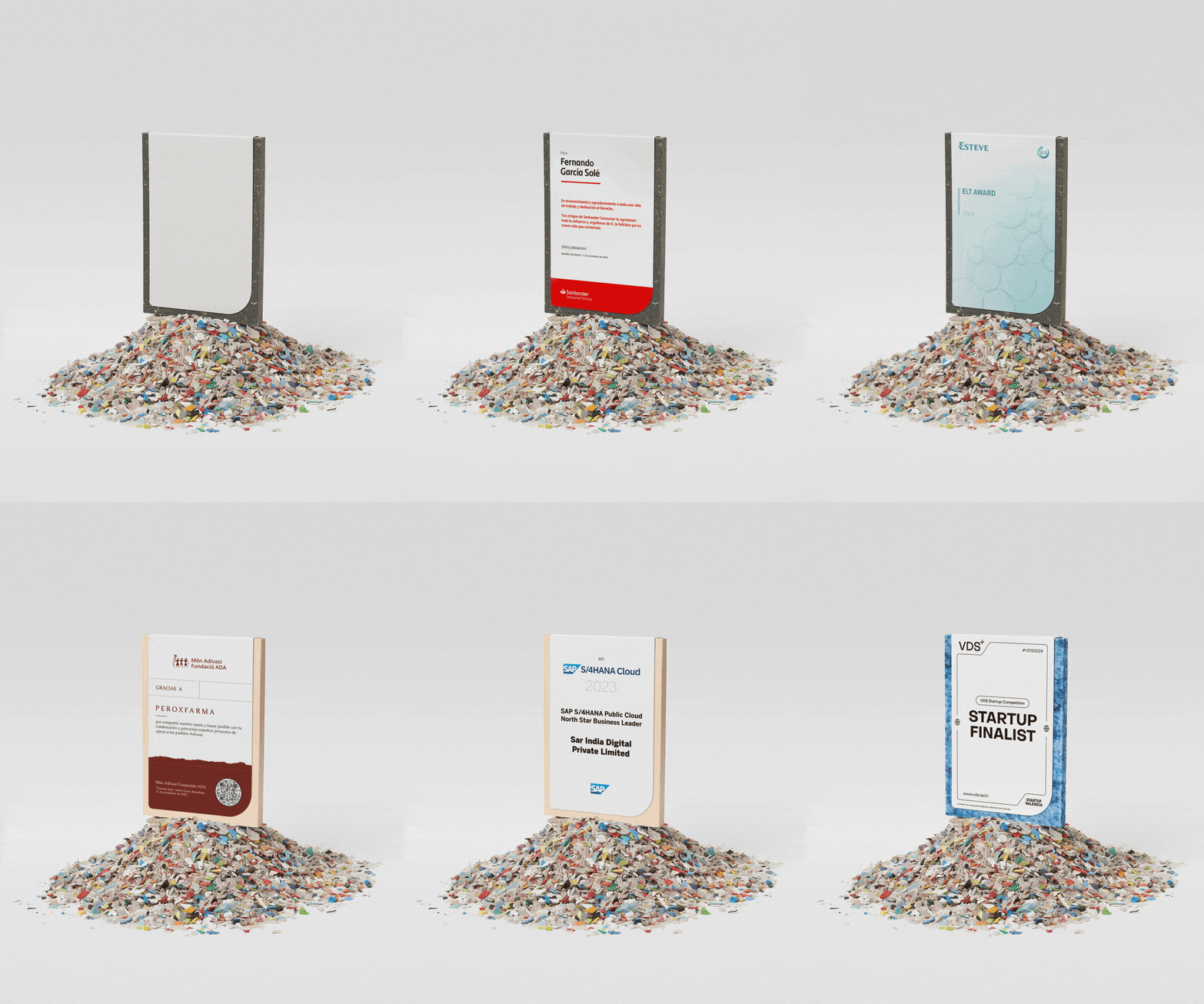
In our case, we make award wall plaques with a built-in hanging system. Thanks to their weight, which varies from one model to the next, they can go up with adhesive, no drilling required.

What changes between indoors and outdoors?
Location changes the anchor and how the material behaves against moisture.
Outdoors, the anchor should be stainless steel to keep rust from staining the wall. The material expands with temperature, and brass develops a patina, a thin surface layer of oxidation that shifts its color. Indoors there's more freedom, and the hanging system, hidden or visible, is what decides.
How the material holds up to the weather is a design consideration, one that puts the durability of the finish above having to replace it.


From dedication to wall, hassle-free
Award plaques ready to hang
Request your award wall plaqueThe most common hanging systems
The most widely used hanging systems are: the built-in keyhole slot, the sawtooth hanger, metal standoffs, the french cleat and structural adhesive.
- Keyhole slot or built-in hanger: a slot on the back of the plaque that rests on two screws.
- Sawtooth hanger or rear bracket: a metal support screwed to the back of the plaque.
- Metal standoffs: tubes that hold the plaque 10 to 25 mm off the wall and cast a shadow.
- French cleat: two beveled metal profiles, one on the wall and one on the plaque, for large formats.
- Structural adhesive: a no-drill fixing for lightweight plaques.
Award wall plaques with a built-in hanging system rest on two screws and sit level with no further adjustment, a manufacturing detail that cuts down on installation errors..jpg)
What height should a plaque go at?
The center of the plaque sits between 150 and 160 cm off the floor, at average eye level. At that height the engraved text reads straight on. For a retirement tribute, for instance, the retirement wishes stay in view without any effort.
On a recognition wall with several plaques, the spacing between them stays constant and the alignment follows the center line.
Before drilling, it's worth marking the points in pencil, checking it's level with a bubble level and using a full-size paper template.
Common mistakes when hanging a plaque
The most common mistakes fall into five groups: an unsuitable anchor, skipping the level, too much height, rust-prone screws and imprecise measuring.
- Fixing into drywall without checking the maximum load it can take.
- Hanging without a level, which leaves the plaque crooked.
- Setting the center above eye level.
- Using non-stainless screws outdoors, which rust and stain the wall.
- Drilling without first measuring the gap between the fixing points.
From dedication to wall, hassle-free
Award plaques ready to hang
Request your award wall plaqueChoosing the right plaque makes installation easier
The hanging system is worth reviewing as you choose the plaque, because it shapes the whole installation. Three details define it: the weight, whether there's a built-in hanger and the durability of the finish in the intended location.
Hanging award wall plaques properly comes down to matching the fixing to those three variables before you drill. Doing it this way keeps you from having to redo the job and protects the material's finish.