Phone
 Email


- Trophies and sustainability
The Art Basel Awards Trophy: A Breath in Hand-Blown Glass
Since 2025, Art Basel has presented the Art Basel Awards to recognise, across nine categories, the people who drive contemporary art forward. An international jury selects the medalists, who receive a commemorative pin. The medalists then vote among themselves for the Gold Awardees, the highest distinction, who receive the trophy analysed here.
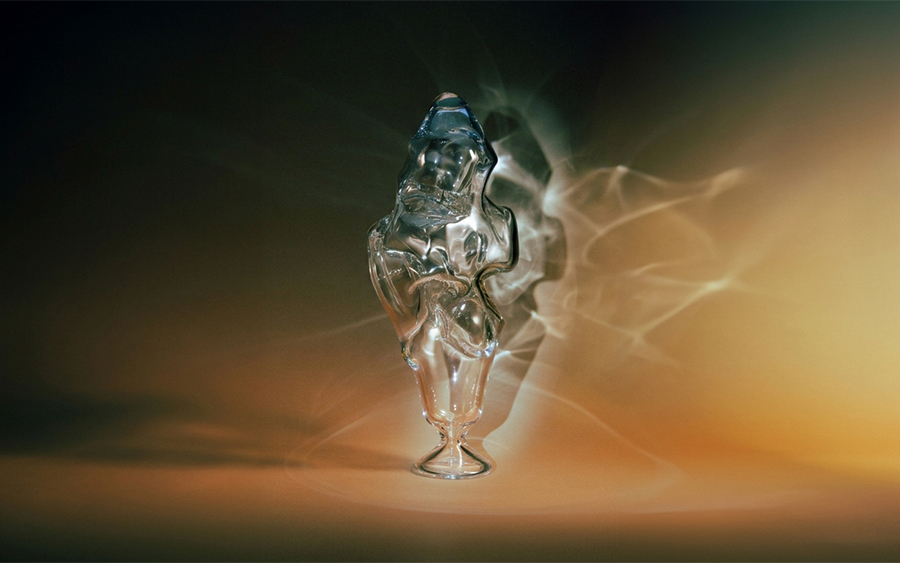
Art Basel commissioned the trophy from architect Jacques Herzog, who sought a “material manifestation of creativity”. Herzog conceived it with glassmaker Matteo Gonet around a single idea: breath as the origin of inspiration.
This article looks at the design of the Art Basel Awards trophy, how it is made by hand, and the lessons it offers brands that want to design a trophy of their own.
Contents
- Design and Materials of the Art Basel Awards Trophy: Glass Blown One Piece at a Time
- Peer Voting and Fees at the Art Basel Awards
- Design Press and Visibility for the Art Basel Awards Trophy
- When the Making Process Expresses the Concept of the Award
- Art Basel Awards 2026: Key Dates
- Rewarding Creativity with a Different Glass in Every Breath
- Frequently Asked Questions
Design and Materials of the Art Basel Awards Trophy: Glass Blown One Piece at a Time
Jacques Herzog, of the studio Herzog & de Meuron, carries the concept over into the act of making: blowing glass means breathing into it, and every breath produces a different shape, just as every thought does. He designed it in 2025, for the first edition of the award.
The piece is vertical: a narrow body widens into a mass of overlapping folds, crossed by loops of glass. A rounded finial closes the silhouette at the top. At the base, a flared foot with a circular rim keeps it upright. Herzog sought that vertical thrust so that each piece, different from all the others, would stand tall.
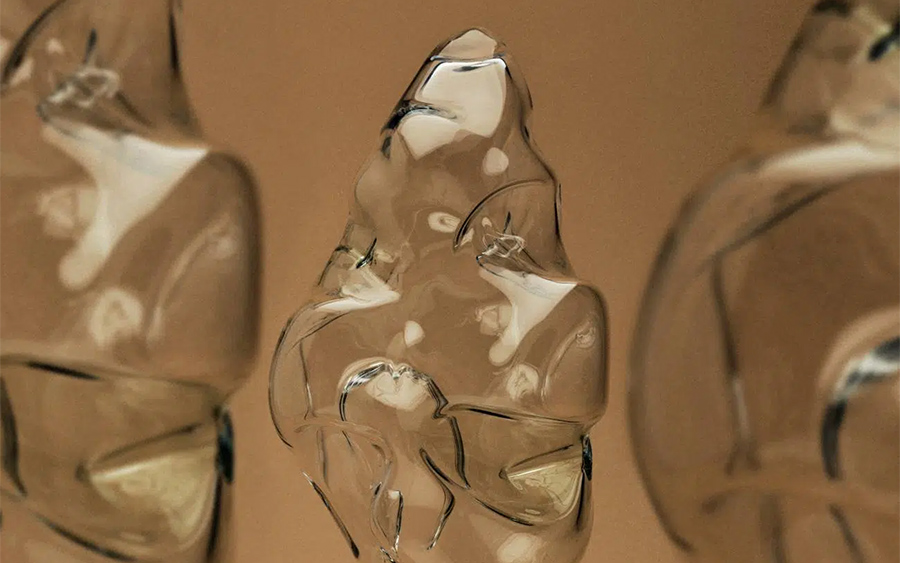
Glassworks Matteo Gonet, a workshop based in Basel, made the pieces in clear glass. Gonet heats the molten glass to 1,200 °C, blows it to create a hollow volume and shapes it with a hand torch, without a mould. The shaping takes an hour and the cooling several more. Glass that is too thin collapses, and glass that is too thick ends up squashed.
Herzog and Gonet tried golden and smoke-tinged tones, and chose clear glass because gold felt too narrative.
In 2025, 11 pieces were made, one for each Gold Awardee, and each one differs from the rest.
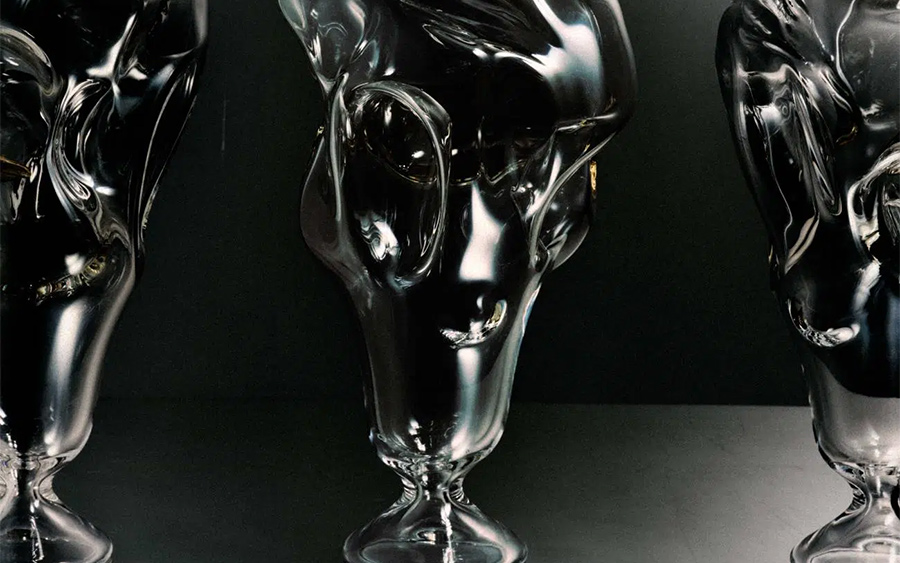
That verticality, the folds and the transparency present the piece as an idea at the instant it takes volume.
Peer Voting and Fees at the Art Basel Awards
Medalists are selected using four criteria—vision and innovation, commitment, skill and execution, and wider impact—and they are the ones who vote for the Gold Awardees. That peer vote adds the assessment of fellow professionals in the field to each career.
In 2025, Art Basel gave the Gold Awardees in the three artist categories a different award package:
| Artist category (Gold Awardee, 2025) | Award package |
|---|---|
| Emerging Artist | Unrestricted fee of USD 50,000 |
| Established Artist | USD 50,000 and a large-format public commission for the Basel fair |
| Icon Artist | USD 50,000 donation to the organisation of their choice |
All medalists, Gold Awardees included, also receive year-round support from Art Basel. Notable forms of that support include:
- Network and mentoring: access to Art Basel’s global network and tailored mentoring, which help open the door to new collaborations.
- Visibility campaigns: Art Basel promotes the medalists throughout the year, keeping their work in front of the public after the gala.


Give shape to the concept behind your award
Custom design, with care in every detail
Design your custom trophyDesign Press and Visibility for the Art Basel Awards Trophy
A trophy with a concept that can be explained gives the press something to say beyond the list of winners. Notable examples include:
- Dezeen: the architecture and design magazine featured the trophy on 12 November 2025, ahead of the gala, to readers who are design and architecture professionals.
- My Modern Met: the digital art and design outlet returned to the trophy on 4 March 2026, three months after the gala, for a general audience in the creative sector.
- Il Sole 24 Ore: the Italian business daily ran an article on Formafantasma, a design studio, when the medalists were announced in 2025, for readers in the business world.
This coverage, generated by independent outlets without payment from the organiser, is what is known as earned media.
Through those publications, the trophy keeps the award part of the design conversation months after the gala.
When the Making Process Expresses the Concept of the Award
When the manufacturing method reproduces the idea a brand wants to recognise, the trophy explains itself through how it is made. In the Art Basel Awards trophy, blowing glass is equivalent to breathing into it, and the folds of each piece keep the visible trace of that gesture. That correspondence makes it possible to tell the concept in a single sentence, and the press did so: the outlets that featured it described it as the shape of breath.
When a brand fixes the silhouette and material of its trophy, the process can vary the details. That way, each winner receives a piece different from the others while the set keeps its coherence. In the Art Basel Awards trophy, the vertical silhouette and the clear glass stay constant, and hand-blowing changes the folds of each piece. Herzog trusts that, even though every piece is different, the trophy will be recognised over the years as the one from the Art Basel Awards.
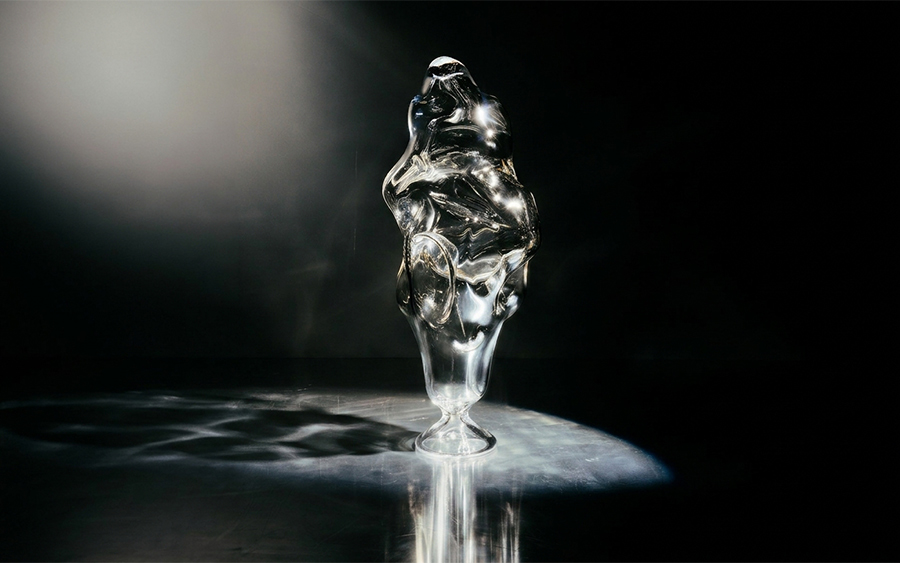
Hand-blowing, clear glass and the vertical silhouette all answer to the same decision: fix the concept and let the process express it in each piece.
Art Basel Awards 2026: Key Dates
In its second edition, the Art Basel panel selects 33 medalists from 120 nominees, and they vote for the 11 Gold Awardees. The official Art Basel Awards calendar sets out three milestones:
- 16 April 2026: announcement of the medalists.
- 17 June 2026: reception for the medalists in Basel.
- 3 December 2026: Art Basel Awards gala in Miami Beach, with the announcement of the Gold Awardees.
Turn the idea behind your brand into a trophy
Custom design, with care in every detail
Design your custom trophyRewarding Creativity with a Different Glass in Every Breath
The Art Basel Awards trophy turns breath into volume: hand-blowing gives each piece a different form, and the clear glass lets every fold show without imposing a reading. In this way, each Gold Awardee receives an object that mirrors the creativity the award honours.
At Sustain Awards we design and make custom trophies with an artisanal character, starting from the concept your brand wants to express; when that concept corresponds to a way of working the material, the piece can show it.