Phone
Phone  Email
Email


- Trophies and sustainability
AI in industrial design: what it solves and what it doesn't
AI industrial design applies generative and parametric artificial intelligence to the design of manufacturable physical objects. AI generates three-dimensional forms in seconds, but a physical object faces a harder test. It has to stand, be manufactured, and last.
A trophy is one such object, defined by its material and balance as much as its form. This article separates what AI resolves from what still depends on manufacturing decisions.
Contents
- What is AI industrial design?
- AI tools for product design
- AI in design and manufacturing
- What AI cannot solve in physical production
- AI proposes, the designer decides
- The current limit of AI industrial design
- Frequently asked questions
What is AI industrial design?
AI industrial design is the application of generative and parametric AI to the design of manufacturable physical objects. Generative design produces several form options from goals and constraints.
Parametric modeling links geometry to numeric variables, so one change updates the whole model. Both run on CAD (computer-aided design), the software standard for defining objects with exact dimensions.
The field addresses physical objects, not screen interfaces. An interface has no wall thickness, weight, or center of gravity; a manufactured object has all three.
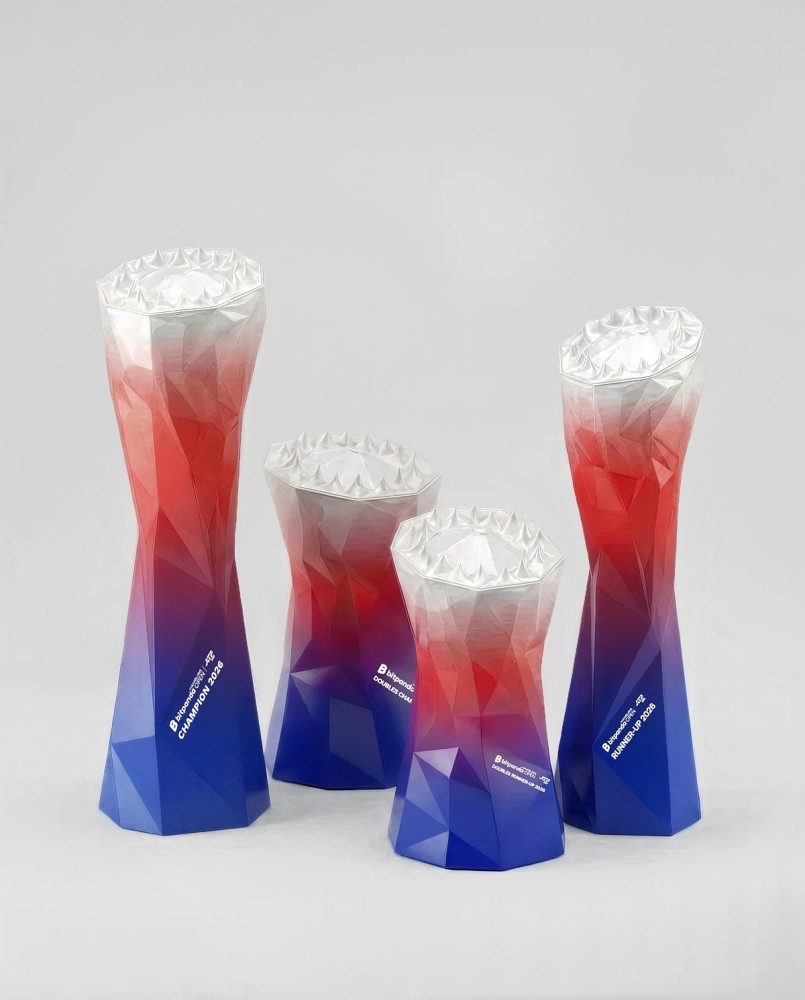
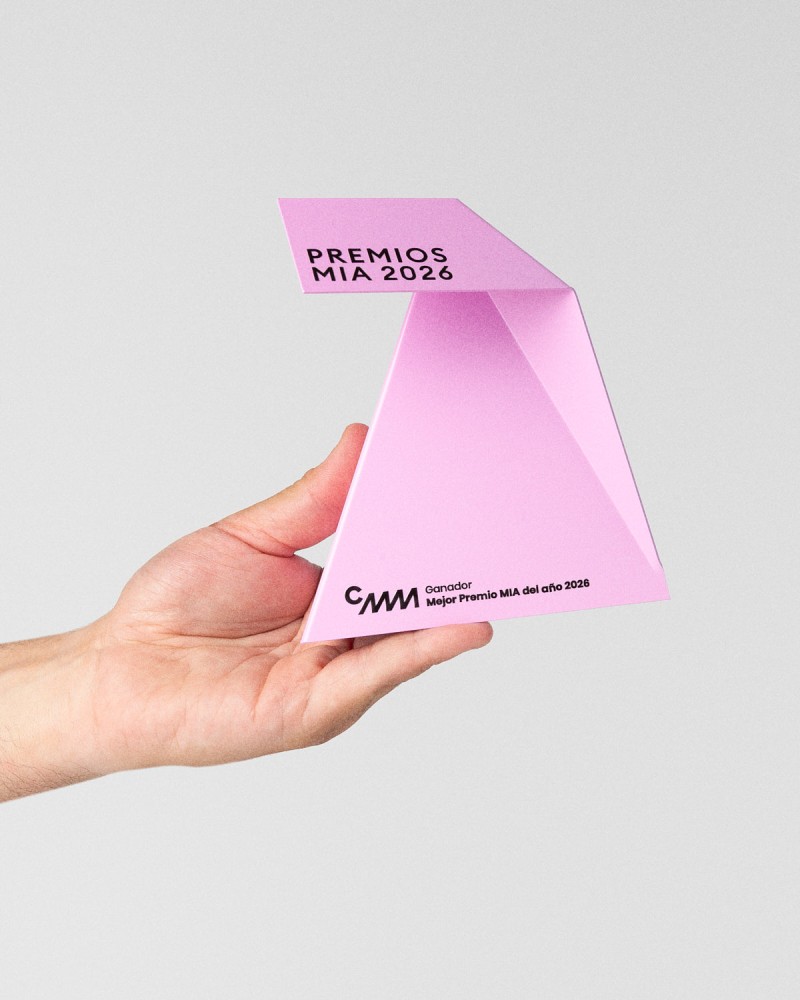
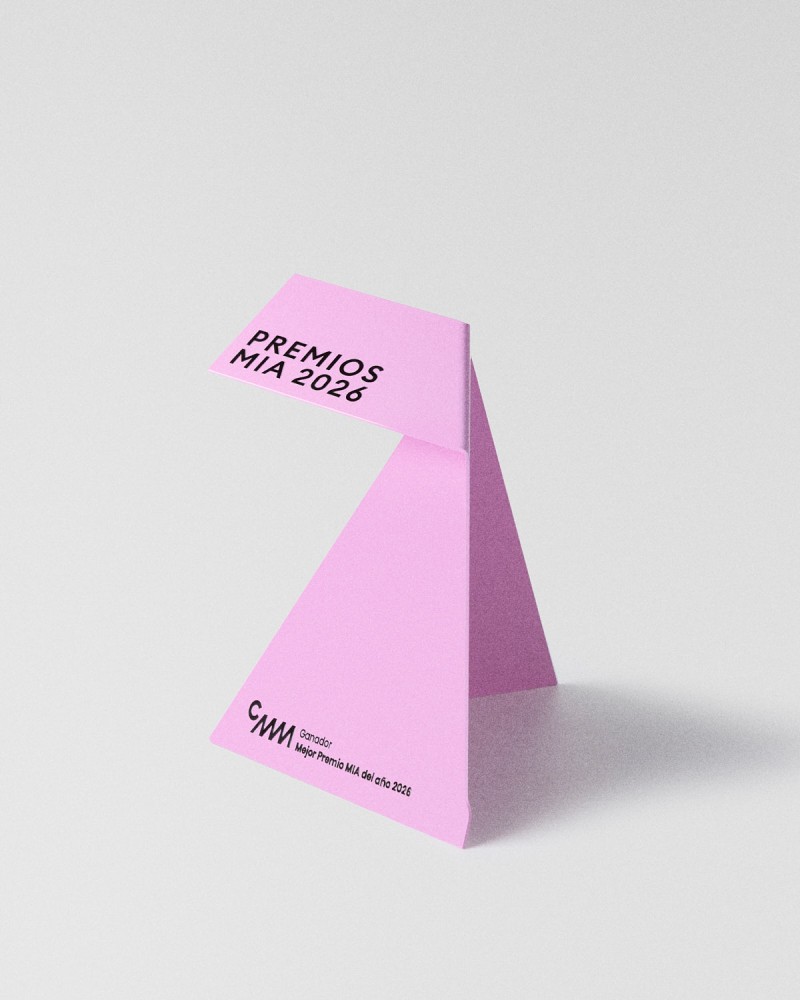
AI industrial design already appears in furniture, consumer products, and mechanical components. It can also apply to AI trophy design, where a stable base and a defined material matter as much as the visible form.
AI tools for product design
AI product design tools cover two tasks: idea generation and geometry creation. Three tools handle most of the current workflow.
- Vizcom: converts a sketch into a render or 3D reference, for rapid concept ideation.
- Fusion 360: runs generative design inside a CAD environment, for structural optimization.
- Meshy and Sloyd: convert text or images into a 3D mesh, a model built from connected polygons, for fast volumetric concepts.
These AI tools for product design resolve geometry and ideation, not manufacturing. A generated mesh is not a production-ready object.
AI in design and manufacturing
AI in design and manufacturing shortens the path from a generated concept to a production-ready file. The path runs through four stages.
- Concept generation: the AI produces candidate forms from goals and constraints.
- Geometric validation: software checks dimensions, tolerances, and interferences.
- Simulation: virtual testing predicts stress, load, and thermal behavior before any object exists. A digital twin, a virtual copy of the object.
- Production preparation: the file is set for CNC (computer-controlled cutting) or additive manufacturing, the process of building an object layer by layer. The latter can produce 3D trophies and other short-run objects.
Large vendors such as Autodesk and Siemens position their platforms around this stage. AI speeds the transition between concept and file, but it does not remove the manufacturing decisions that follow.


AI can generate concepts. The designer decides the trophy.
See what we can design and manufacture for your ceremony.
Request your custom trophyWhat AI cannot solve in physical production
AI cannot resolve the physical constraints that decide whether an object can be manufactured. Five constraints stay outside current tools: wall thickness, stability, stress points, material behavior, and series reproducibility.
- Minimum wall thickness: each material sets a floor. Injection-molded plastic often needs 1–3 mm.
- Stability and center of gravity: an object with real weight has to stand without tipping.
- Stress points: sharp internal corners concentrate load and create fracture risk.
- Material behavior: recycled concrete, near 2,000 kg/m³, behaves nothing like PLA, the plastic in most 3D prints.
- Series reproducibility: a run of 200 units needs consistent tolerances across every unit.
A generated form often needs redesign before it can be manufactured.
For award design, AI can accelerate the concept stage: it generates the form and tests proportions in minutes. Manufacturing is the wider step. The design still has to stand under its own weight, work in the chosen material, and repeat across the full run.

AI proposes, the designer decides
AI is a tool for acceleration, not decision. The designer sets the material, the proportions, the coherence between editions, and the meaning of the object. AI proposes a starting geometry; the designer judges whether it can be manufactured and whether it fits the intent.
In an annual awards program, AI can speed ideation, while the designer keeps each trophy coherent with earlier editions in material, proportion, and meaning. The boundary that defines AI industrial design today separates fast generation from final judgment.

AI can generate concepts. The designer decides the trophy.
See what we can design and manufacture for your ceremony.
Request your custom trophyThe current limit of AI industrial design
AI industrial design changed the speed of the concept stage, not the logic of manufacturing. A form still has to stand, be manufactured, and last. The value of these tools depends on the judgment applied after the geometry appears, and that judgment is where a physical object is decided. AI industrial design meets its current limit at that point.