Phone
Phone  Email
Email


- Trophies and sustainability
The Laus trophy: manufacturing process and design analysis
The Laus trophy design is a tangible expression of creativity, excellence, and collaboration in the world of graphic design and visual communication in Spain. Since its creation in 1970, the Laus trophy has been a benchmark within the design community and a milestone in the history of Spanish design. Its shape, its concept, and its evolution have accompanied the growth of this discipline, standing as a testament to the sector's talent and innovation.
Over the years, the trophy has gone through various transformations while never losing its original identity. Its evolution in both materials and manufacturing techniques reflects not only the progress of the design industry but also a growing concern for sustainability and environmental impact. Today, the Laus is no longer just a symbol of recognition but also a statement of principles about the importance of responsible design and of collaboration between designers and clients.
Table of contents
- Tomàs Vellvé, the origin and design of the Laus trophy
- Manufacturing the Laus trophy
- Recognizing the talent that defines design
- A more sustainable Laus
- The Laus trophy and the future of design
- A legacy in constant transformation
- Frequently asked questions about the Laus trophy
Tomàs Vellvé, the origin and design of the Laus trophy
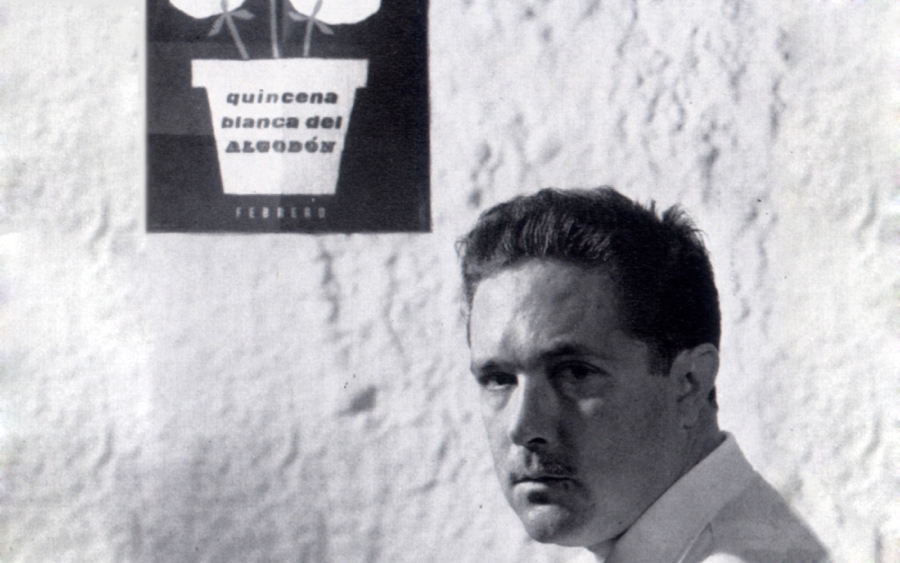
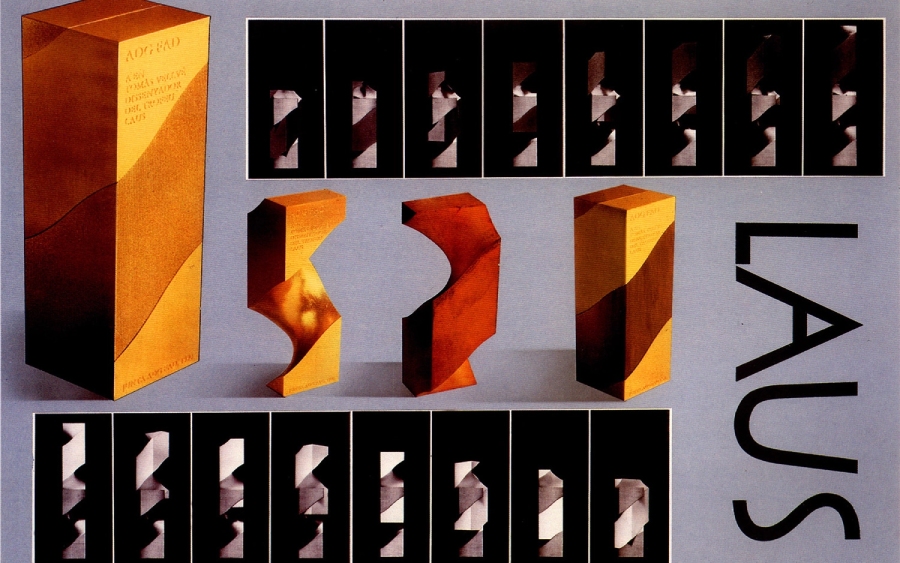
The designer behind the Laus trophy, Tomàs Vellvé, was a key figure in the evolution of design in Spain. As a founding member of the ADG-FAD, his vision charted the course of the country's visual identity. In 1970, he created this iconic award with the aim of representing the symbiotic relationship between designer and client. The sculpture is made up of two pieces that fit together perfectly, symbolizing the interdependence and dialogue that a design project needs in order to succeed.
Vellvé understood that design is not an individual effort but a collaborative process. His vision took shape in the structure of the Laus trophy, whose simplicity and sophistication have kept it relevant for decades. His creation stood out not only for its aesthetic and symbolic concept but also for setting a standard of excellence within the profession.
Manufacturing the Laus trophy
The Laus trophy manufacturing process keeps the original two-part interlocking design, even though the materials change with each edition. The first version was made of aluminum, with a grooved section that highlighted the design's duality. Recent editions incorporate recycled materials to reduce their environmental impact. Today, there are two manufacturing routes depending on the finish you're after:
- Recycled-material body: starts from recycled plastic of various origins blended with rice husks. That compound is injection molded, a process that forces the melted material into a closed mold. The resulting finish is uneven and sets apart the gold, silver, and honor categories.
- Two-component body: combines machined aluminum with a matte or glossy gold finish and a photoluminescent silicone that reflects light in the dark. The lettering is deep engraved.
Both routes preserve the geometry of two complementary volumes. What changes is the material and the finish, not the relationship between the parts.


Need a trophy that captures the essence of your event?
Request informationRecognizing the talent that defines design
Since they were established in 1964 by the Graphic Design and Visual Communication Association (ADG-FAD), the ADG Laus Awards have been a benchmark in promoting excellence in design and creativity. These awards span many disciplines—digital design, advertising, audiovisual communication—and have served as a launchpad to spotlight emerging talent and cement the reputations of influential professionals.
Over the years, leading figures in design have won the Laus, including names like Enric Satué, a pioneer in the renewal of graphic design in the 1970s, and Cruz Novillo, creator of some of the most iconic visual identities in Spain. Other honors have gone to designers such as Pati Núñez and América Sanchez, whose contributions have shaped contemporary visual communication.
A more sustainable Laus
The Laus trophy has managed to evolve without losing its essence. At the same time, digital personalization could allow for unique versions of the trophy tailored to each edition.
The commitment to sustainability will remain a decisive factor. In a landscape where the circular economy and waste reduction are priorities, the Laus trophy is likely to adopt new regenerative design strategies.
The Laus trophy and the future of design
In a landscape where design is no longer just an aesthetic discipline but a strategic tool for social, cultural, and economic transformation, the Laus establishes itself as a barometer of talent and innovation in visual communication. The rise of artificial intelligence, the automation of design, and interactivity are constantly redefining the sector's rules, calling for professionals who can interpret and anticipate change with sound judgment and a critical eye.
More than an honorary distinction, the Laus fulfills a key role: legitimizing and giving visibility to the work that is shaping the direction of contemporary design. In an era saturated with images and visual stimuli, recognizing excellence means not only rewarding aesthetics but also highlighting the solutions that deliver value, impact, and meaning. Its role is not only to celebrate creativity but to raise the profession's standards, creating benchmarks that inspire new generations and strengthen the impact of design on society.
A legacy in constant transformation
The Laus trophy design—with its symbolism of collaboration between designer and client, its sustainable evolution, and its standing in the industry—cements it as an undisputed benchmark in the history of design. Its adaptability and constant renewal ensure that it will remain a key piece for recognizing and celebrating excellence in design for many decades to come.